Choosing the best route to climb Mount Kilimanjaro is one of the most important decisions for trekkers. Kilimanjaro, Africa’s highest peak at 5,895 meters (19,341 feet), offers several routes with different scenic views, difficulty levels, success rates, and durations. This 2025 comprehensive guide will help you understand the options, compare routes, and select the best path for your adventure.
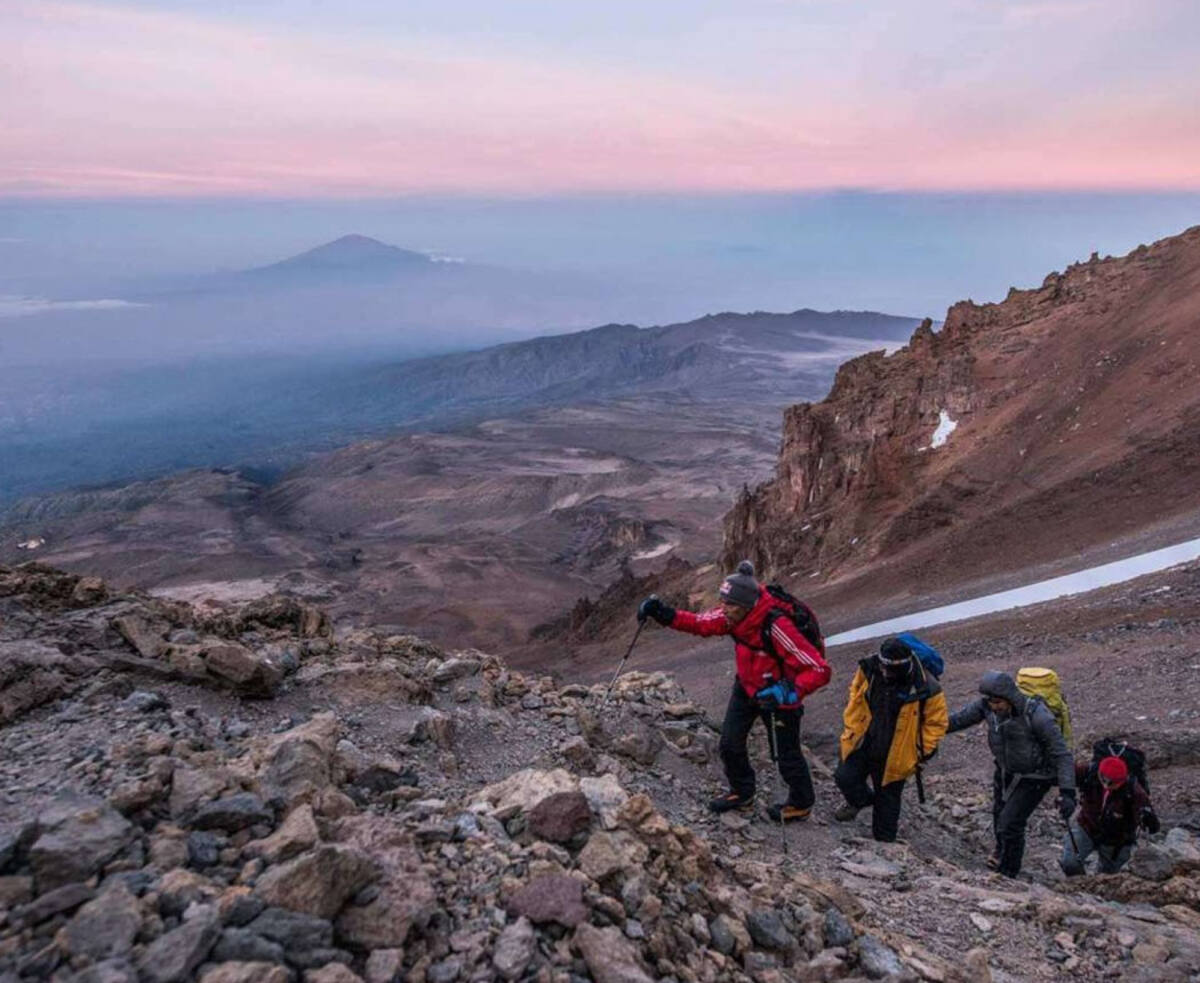
Before deciding, consider these key factors:
Success Rate: Longer routes allow better acclimatization, increasing chances of reaching the summit.
Difficulty Level: Some routes are steep and challenging, while others are more gradual.
Scenery: Routes differ in landscapes, from lush rainforests to lunar alpine deserts.
Duration: Routes can range from 5 to 9 days; more days = better acclimatization.
Crowds: Some routes are popular and busy, others are quieter and more secluded.
Accommodation Type: Some routes use huts (e.g., Marangu) while others are fully camping-based.
Tip: Success on Kilimanjaro is more about acclimatization and pacing than physical fitness alone.
Duration: 6–7 days
Difficulty: Moderate to challenging
Accommodation: Camping
Scenery: Rainforest, moorland, Shira Plateau, Barranco Wall
Pros: Excellent acclimatization, high success rate, very scenic
Cons: Can be crowded during peak season
Why choose Machame: Ideal for first-timers who want a mix of scenery, challenge, and reasonable success rate.
Duration: 7–8 days
Difficulty: Moderate
Accommodation: Camping
Scenery: Stunning forested sections, Shira Plateau, Lava Tower, and western views
Pros: High success rate due to gradual ascent, beautiful and less crowded
Cons: Longer trek may require more stamina
Why choose Lemosho: Best for first-time climbers prioritizing summit success and breathtaking landscapes.
Duration: 8–9 days
Difficulty: Moderate
Accommodation: Camping
Scenery: Full circumnavigation of the mountain, most panoramic views
Pros: Highest acclimatization and success rate, very scenic, quiet
Cons: Requires longer time commitment
Why choose Northern Circuit: Ultimate route for experienced trekkers or those wanting the best acclimatization and scenery.
Duration: 5–6 days
Difficulty: Easy to moderate
Accommodation: Huts
Scenery: Forest, moorland, alpine desert
Pros: Comfortable, hut accommodation, social route
Cons: Short ascent can lead to lower success rates, less scenic than longer routes
Why choose Marangu: Suitable for those preferring hut accommodation and a less physically demanding climb.
Duration: 6–7 days
Difficulty: Moderate
Accommodation: Camping
Scenery: Northern approach, drier climate, views of Kibo’s northern face
Pros: Less crowded, gentle slopes, dry weather advantage
Cons: Fewer scenic highlights compared to Machame or Lemosho
Why choose Rongai: Best for first-timers seeking a quieter, less rainy route.
Duration: 5–6 days
Difficulty: Very challenging
Accommodation: Camping
Scenery: Steep and remote, tropical forest
Pros: Short and adventurous, remote
Cons: Very steep, low success rate due to rapid ascent
Why choose Umbwe: Only for experienced climbers seeking a challenging and secluded route.
| Route | Duration | Difficulty | Accommodation | Success Rate | Crowds | Best For |
|---|---|---|---|---|---|---|
| Machame | 6–7 days | Moderate | Camping | High | Medium | First-timers wanting scenery |
| Lemosho | 7–8 days | Moderate | Camping | Very High | Low | First-timers prioritizing success & views |
| Northern Circuit | 8–9 days | Moderate | Camping | Highest | Low | Experienced trekkers & panoramic views |
| Marangu | 5–6 days | Easy | Huts | Medium | High | Those preferring huts, social route |
| Rongai | 6–7 days | Moderate | Camping | High | Low | Quieter, dry-season advantage |
| Umbwe | 5–6 days | Hard | Camping | Low | Very Low | Experienced climbers seeking challenge |
Tip: Longer routes = higher success rate + better acclimatization. Short routes = quicker but riskier.
Choose a longer route if possible: Lemosho or Northern Circuit
Follow the “climb high, sleep low” principle for better acclimatization
Maintain a slow, steady pace and take rest breaks
Hire an experienced guide and porter team for support and safety
Stay hydrated and eat properly to maintain energy levels
Monitor altitude symptoms and avoid pushing through severe AMS
Q1. Which route is easiest for beginners?
A: Marangu is technically easiest, but Lemosho and Machame offer better acclimatization and higher success.
Q2. Which route is most scenic?
A: Lemosho and Northern Circuit are widely regarded as the most beautiful and diverse routes.
Q3. Can I switch routes during the trek?
A: Not recommended, as logistics and permits are route-specific.
Q4. Which route has the best success rate?
A: Northern Circuit (8–9 days) and Lemosho (7–8 days) offer the highest summit success rates.
Q5. Are hut routes better than camping routes?
A: Hut routes like Marangu are comfortable, but camping routes often provide better acclimatization and scenic variety.
The best route to climb Kilimanjaro depends on your experience, fitness, time availability, and priority:
Best for summit success: Northern Circuit or Lemosho
Best for scenic variety: Lemosho or Machame
Easiest for beginners: Marangu
Least crowded: Rongai or Northern Circuit
Most challenging: Umbwe
Pro Tip: If possible, choose a longer route with gradual ascent. Success is less about speed and more about acclimatization and pacing.