The Ngorongoro Conservation Area (NCA) is one of Tanzania’s most iconic safari destinations, known for the Ngorongoro Crater, abundant wildlife, and breathtaking landscapes. For travelers who want a more immersive experience, camping near Ngorongoro is a popular and adventurous option.
If you’re planning a trip, you may ask:
“Are there camping options near Ngorongoro?”
The answer is yes — with a wide range of campsites and safari tents that cater to both budget-conscious travelers and those seeking a luxury outdoor experience.
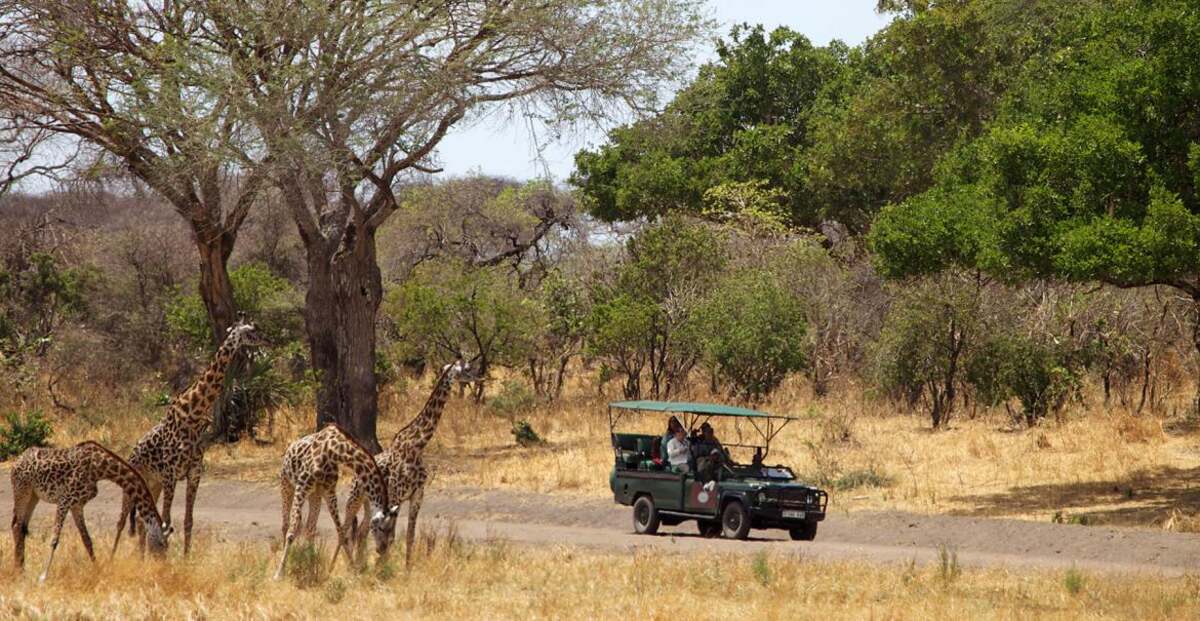
Camping near Ngorongoro Crater offers several unique advantages:
Immersive Safari Experience
You’re closer to wildlife and nature than staying in lodges.
Budget-Friendly Options
Campsites are significantly cheaper than mid-range or luxury lodges.
Flexibility for Safari Itineraries
Camps near the crater allow early morning game drives without long drives from Karatu or Arusha.
Scenic Views
Many campsites offer views of the crater rim, rolling hills, or nearby volcanic formations.
Managed by the Ngorongoro Conservation Area Authority (NCAA).
Basic facilities: toilets, showers, and picnic areas.
Cost: $20–$30 per person per night.
Examples:
Simba Campsite
Olduvai Campsite (near Olduvai Gorge)
Run by private operators.
Offer more amenities, such as tents with beds, hot showers, and sometimes small restaurants.
Cost: $50–$120 per person per night depending on facilities.
Examples:
Rhino Lodge Campsite
Lemala Campsite
Ndutu Safari Lodge Campsites (for migration season)
For travelers who want comfort with a safari vibe.
Large canvas tents with comfortable beds, en-suite bathrooms, electricity, and meals included.
Cost: $250–$500 per person per night.
Examples:
Lemala Kuria Hills
Ngorongoro Serena Safari Lodge Tented Camps
Used by overland tour operators.
Move daily with your safari route.
Offers a true wilderness experience and is popular for Northern Circuit tours.
Camping near Ngorongoro is regulated by the NCAA to protect wildlife and the environment:
Permits Required
All campers must obtain NCA camping permits in advance.
Permits include entry fees for the area and are mandatory for both public and private campsites.
Stay in Designated Areas
Camping outside designated zones is prohibited.
Wildlife, especially predators, roam freely; unauthorized camping is dangerous and illegal.
Campfires
Campfires are only allowed in specific zones and must be monitored.
Always ask your campsite management before lighting fires.
No Wildlife Feeding
Strictly prohibited to feed wildlife or leave food unsecured.
Campsites usually provide lockable food storage.
Waste Management
Take all trash with you or use designated disposal points.
Environmental conservation is a high priority in the NCA.
Most visitors book camping-inclusive safari packages through tour operators.
Pros: permits included, meals arranged, transport to game drives organized.
Some camps allow direct reservations online or via email.
Useful for travelers planning a self-drive safari.
Possible for public campsites in low season, but availability cannot be guaranteed during peak season.
| Type of Camp | Cost per Person (USD) | Facilities |
|---|---|---|
| Public Campsite | $20–$30 | Basic tent, shared toilets/showers |
| Private / Eco-Camp | $50–$120 | Canvas tents, beds, toilets, sometimes meals |
| Luxury Tented Camps | $250–$500 | Beds, private bathrooms, electricity, meals |
| Mobile / Overland Camp | $40–$100 | Basic safari tents, meals, shared facilities |
Tip: Prices vary depending on season. High season (June–Oct, Dec–Feb) is more expensive, while low season offers discounts.
Public campsite.
Facilities: Shared toilets, showers.
Pros: Affordable, scenic crater rim views.
Cons: Basic amenities.
Private eco-camp.
Facilities: Canvas tents, beds, hot showers, dining area.
Pros: Comfortable and close to crater entrances.
Cons: Slightly more expensive.
Seasonal camps for migration season.
Facilities: Comfortable tents, meals included.
Pros: Excellent for witnessing the wildebeest calving season.
Cons: Only open during migration months (Dec–Mar).
Luxury tented camp.
Facilities: Beds, private bathrooms, electricity, meals.
Pros: Stunning location with crater views and privacy.
Cons: Premium pricing.
| Season | Experience |
|---|---|
| June – October | Dry season, ideal for camping and wildlife viewing |
| December – February | Dry season, excellent for migration viewing, more tourists |
| March – May | Wet season, lush landscapes, fewer tourists, trails muddy |
| November | Short rains, moderate crowd, green scenery |
Pro Tip: Dry season is best for camping to avoid muddy sites and interrupted game drives.
Stay Inside Designated Campsites
Wildlife, including lions, hyenas, and elephants, roam freely outside campsites.
Lock Your Food
Use provided lockers or storage boxes.
Hire a Guide or Join a Tour
Especially for first-time visitors, guides enhance safety and wildlife spotting.
Carry Basic Camping Gear
Flashlight, warm clothing, insect repellent, and first-aid kit.
Check Weather Forecast
Rain can make unprepared camping uncomfortable.
Follow Park Rules
Respect all NCAA regulations to protect both wildlife and yourself.
Many travelers combine camping with morning and afternoon game drives:
Morning: Early vehicle game drive in Ngorongoro Crater.
Midday: Return to campsite for lunch and rest.
Afternoon: Optional short hike or scenic drive along crater rim.
Evening: Dinner around a campfire under the stars.
This combination offers full immersion in the African wilderness, safari flexibility, and budget-friendly accommodation.
Q1. Can I camp inside the Ngorongoro Crater?
No. Camping inside the crater floor is not allowed due to predator and wildlife safety risks.
Q2. Are there family-friendly campsites?
Yes, most private and public campsites accommodate families. Luxury tented camps often provide larger tents and amenities for children.
Q3. Can I book campsites last minute?
During high season, last-minute bookings are risky. Advance reservations are recommended.
Q4. Are there electricity and Wi-Fi at campsites?
Public campsites: Usually no electricity or Wi-Fi.
Private / luxury camps: Often have electricity and limited Wi-Fi.
Q5. Do camps provide meals?
Public camps: Self-catering.
Private / luxury camps: Meals are usually included, often freshly prepared with local ingredients.
Yes — there are plenty of camping options near Ngorongoro, ranging from budget-friendly public sites to luxury tented camps.
Camping allows you to:
Experience Ngorongoro’s stunning landscapes up close.
Enjoy early morning wildlife sightings without long drives.
Combine safari, hiking, and cultural experiences in one immersive trip.
Tips for the best experience:
Book your campsite well in advance during peak season.
Stick to designated areas for safety.
Consider a guide or tour package to streamline permits and logistics.
Choose the right season for comfort and wildlife viewing.
Camping near Ngorongoro offers a true African wilderness experience, perfect for travelers who want to sleep under the stars while being surrounded by nature.