Discover the best places for a Big Five safari in Tanzania. Learn where to spot lions, elephants, leopards, rhinos, and buffalo, along with tips for planning your ultimate Tanzanian wildlife adventure.
A Big Five safari in Tanzania is the ultimate wildlife adventure for travelers seeking to witness Africa’s most iconic animals: lions, elephants, leopards, rhinoceroses, and buffalo. Tanzania is home to some of the best safari destinations in the world, offering breathtaking landscapes, abundant wildlife, and unforgettable experiences.
This guide will help you discover where to see the Big Five in Tanzania, the best parks and lodges, optimal seasons, and tips to make your safari unforgettable.
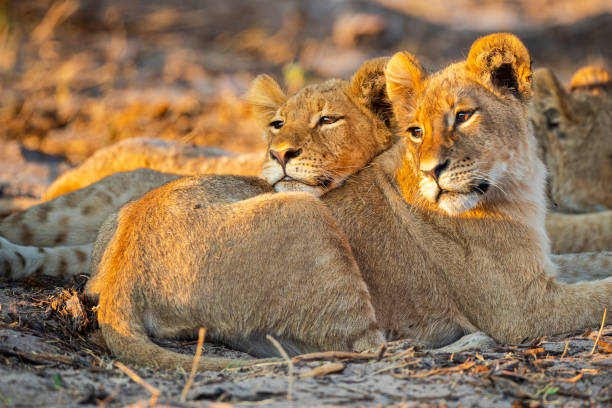

The term “Big Five” was originally coined by hunters to describe the most challenging animals to hunt on foot. Today, it refers to the most sought-after wildlife species for safari-goers:
Lion – Africa’s iconic predator, often seen in prides on open plains.
Elephant – The largest land mammal, known for herds and majestic tusks.
Leopard – Elusive and nocturnal, often found in trees or rocky areas.
Rhinoceros – Black and white rhinos, rare and endangered, mostly in protected areas.
Buffalo – Large herds of Cape buffalo, known for their unpredictable behavior.
Tanzania’s protected national parks and reserves are prime destinations to spot these species in their natural habitat.
Why it’s ideal for the Big Five:
Serengeti offers vast open plains with year-round wildlife.
The Big Five are commonly seen here, especially lions, elephants, and buffalo.
Leopards are spotted in rocky kopjes and trees.
Other Highlights:
The Great Migration (wildebeest and zebra) – best from June to October.
Hot air balloon safaris for panoramic views of wildlife.
Tip: Stay in central or southern Serengeti lodges for better access to predator sightings.
Why it’s ideal for the Big Five:
Compact area with high wildlife density.
Lions, elephants, rhinos, buffalo, and leopards are concentrated in the crater floor.
Excellent for short safaris due to easy access and safety.
Other Highlights:
Stunning crater scenery with caldera views.
Abundant birdlife, including flamingos in seasonal lakes.
Tip: Book lodges on the crater rim for breathtaking sunrise and sunset views.
Why it’s ideal for the Big Five:
Known for large elephant herds and baobab landscapes.
Lions and buffalo are present, leopards are occasionally seen.
Less crowded than Serengeti and Ngorongoro, offering a more intimate safari.
Other Highlights:
Birdwatching paradise with hundreds of species.
Excellent for family-friendly safaris due to short driving distances.
Tip: Combine Tarangire with Lake Manyara for a diverse wildlife experience.
Why it’s ideal for the Big Five:
Remote wilderness with fewer tourists.
Home to elephants, lions, buffalo, and rhinos.
Leopards are elusive but present in protected areas.
Other Highlights:
Boat safaris on the Rufiji River for hippos and crocodiles.
Walking safaris and cultural village visits.
Tip: Best for travelers seeking off-the-beaten-path luxury or adventure safaris.
Why it’s ideal for the Big Five:
Largest park in Tanzania with diverse landscapes.
High concentration of lions, elephants, and buffalo.
Leopards and rhinos are present but harder to spot.
Other Highlights:
Remote and less visited, perfect for private safaris.
Rivers attract abundant wildlife during dry season.
Dry season (June–October): Best for wildlife viewing. Animals concentrate near water sources.
Short rains (Nov–Dec) and long rains (Apr–May): Fewer tourists, lush landscapes, but some roads may be muddy.
Great Migration: June–October for Serengeti crossings, adding predator action to your Big Five safari.
Hire Experienced Guides: Knowledgeable guides increase your chances of spotting elusive animals like leopards and rhinos.
Use Binoculars: Essential for viewing animals in open savannahs or dense vegetation.
Plan Multi-Park Safaris: Combining Serengeti, Ngorongoro, and Tarangire boosts your Big Five sighting opportunities.
Stay in Strategic Lodges: Choose lodges close to wildlife hotspots.
Patience and Timing: Early morning and late afternoon drives increase chances of spotting predators.
Tarangire and Lake Manyara: Short drives and abundant wildlife for children.
Ngorongoro Crater: Concentrated wildlife, safe for kids.
Serengeti lodges: Choose family-friendly accommodations with pools and kid programs.
Tip: Always ensure children follow safety instructions from guides.
Bring a telephoto lens for close-up shots.
Capture wildlife behavior at sunrise or sunset for best lighting.
Use a sturdy tripod or monopod for stability during game drives.
Respect animals – maintain a safe distance.
1. Can I see all Big Five in one park?
Yes – Ngorongoro Crater offers all Big Five in a compact area, while Serengeti provides more varied landscapes.
2. Which is best for first-time safari-goers?
Ngorongoro and Tarangire are excellent for beginners due to short drives and high wildlife density.
3. How many days do I need for a Big Five safari?
A 5–7 day safari covering Serengeti, Ngorongoro, and Tarangire is ideal.
4. Can I combine Big Five safaris with the Great Migration?
Yes – plan Serengeti visits between June and October for migration crossings.
5. Are safaris safe?
Yes – with experienced guides, professional drivers, and adherence to park rules, safaris are very safe.
A Big Five safari in Tanzania is the ultimate wildlife adventure, offering a chance to see lions, elephants, leopards, rhinos, and buffalo in their natural habitat. Whether you choose Serengeti, Ngorongoro, Tarangire, Selous, or Ruaha, Tanzania provides unforgettable wildlife encounters and breathtaking landscapes.
For the best experience:
Choose the right season
Stay in strategically located lodges
Hire experienced guides
Combine multiple parks for maximum sightings
👉 Plan your Big Five safari in Tanzania today and create memories that will last a lifetime, witnessing Africa’s most iconic wildlife up close.