
Climbing Mount Kilimanjaro, Africa’s tallest peak at 5,895 meters (19,341 feet), raises a common concern: “Do I need oxygen tanks to reach the summit?” Understanding altitude, oxygen levels, and health risks can help you plan a safe and successful trek.
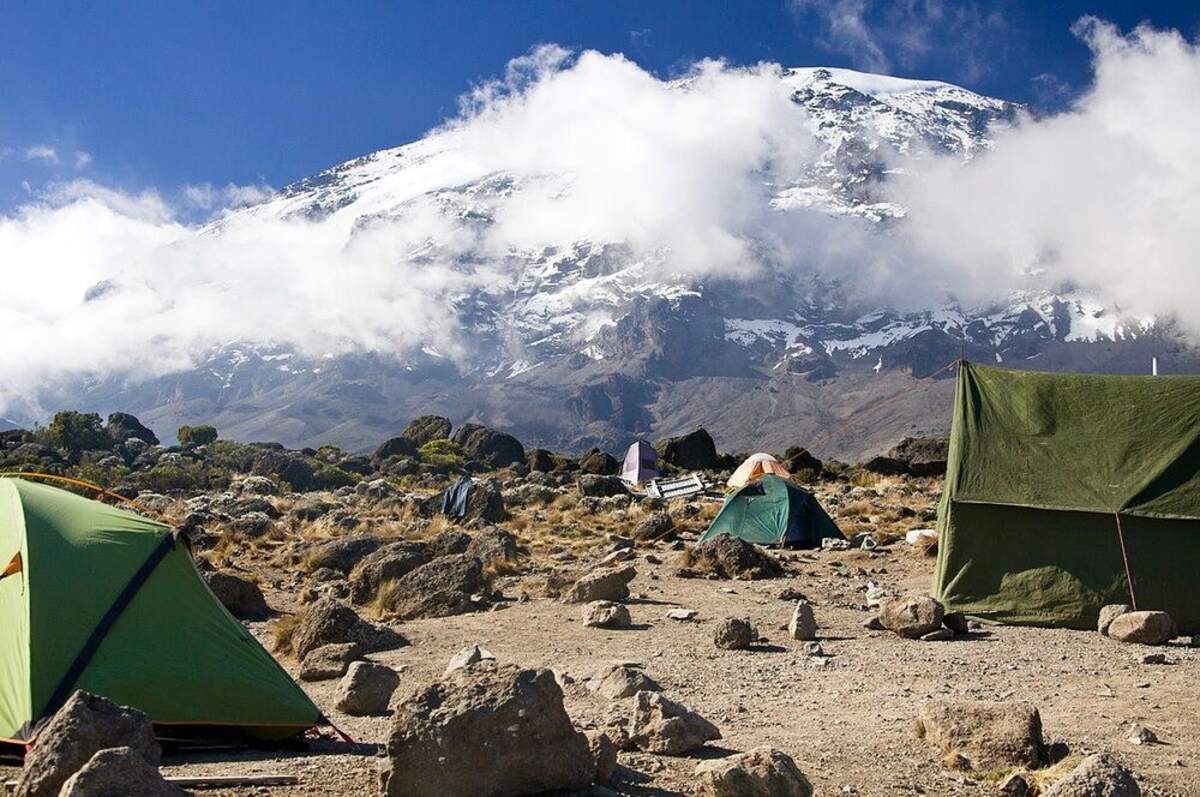
Kilimanjaro is classified as a non-technical trek, meaning no technical climbing gear or oxygen tanks are normally required.
All standard trekking routes are climbed on foot, using well-marked paths.
Most climbers reach the summit using natural acclimatization and pacing, without supplemental oxygen.
Key Insight: Unlike Everest or high-altitude peaks above 7,000 m, oxygen tanks are generally unnecessary on Kilimanjaro.
At sea level, oxygen saturation is roughly 98–100%.
At Uhuru Peak (5,895 m), oxygen levels drop to about 50–60% of sea-level availability.
Reduced oxygen can lead to Acute Mountain Sickness (AMS), which is the main challenge for climbers.
Symptoms of AMS include:
Headache
Nausea or vomiting
Fatigue and dizziness
Shortness of breath
Tip: Most climbers manage these symptoms with slow ascent, hydration, and acclimatization, rather than supplemental oxygen.
While oxygen is not required for standard treks, it may be considered in specific cases:
Severe altitude sickness – If AMS becomes life-threatening, oxygen may be used as a medical intervention.
High-risk individuals – Those with pre-existing heart or lung conditions may consult a doctor before the trek.
Emergency situations – Guides carry oxygen for rare emergencies, but it’s not part of typical climbing equipment.
Insight: Standard Kilimanjaro trekking does not require oxygen tanks, even at the summit. Proper acclimatization is far more important.
Longer routes like Lemosho (7–8 days) or Northern Circuit (8–9 days) allow your body to adjust gradually.
“Pole pole” means slowly, slowly in Swahili.
Walking at a comfortable pace reduces strain and improves oxygen utilization.
Dehydration worsens altitude symptoms. Drink 3–4 liters per day.
These can exacerbate breathing difficulties and altitude sickness.
Some climbers use Diamox (acetazolamide) to aid acclimatization, but this is not a substitute for oxygen tanks.
Most climbers successfully summit without oxygen.
Mountain guides carry portable oxygen in emergencies.
Routes with slower acclimatization (Lemosho, Northern Circuit) minimize oxygen issues.
Only very short, steep routes like Umbwe may increase risk for oxygen-related complications, but even here, most climbers do not use tanks.
Pro Tip: Choosing the right route, pacing, and proper preparation is more effective than relying on supplemental oxygen.
Q1. Can I rent oxygen tanks on Kilimanjaro?
A: Emergency oxygen is available through guides, but it is not part of standard trek packages.
Q2. Do other high-altitude climbers use oxygen?
A: Yes, climbers on peaks above 7,000–8,000 meters often need supplemental oxygen. Kilimanjaro is much lower, so it is usually unnecessary.
Q3. Does altitude sickness require oxygen?
A: Mild AMS can be managed with pacing, hydration, and rest. Oxygen is used only in severe cases.
Q4. Can supplemental oxygen improve summit chances?
A: Proper acclimatization and slow ascent are far more effective than relying on oxygen tanks.
Q5. Are there risks of using oxygen improperly?
A: Yes, oxygen is generally safe when administered by trained guides, but unnecessary use is rarely recommended.
Oxygen tanks are not required to climb Kilimanjaro. The key to a safe and successful summit lies in choosing the right route, ascending slowly, staying hydrated, and allowing your body to acclimatize.
Key Insight: Kilimanjaro can be conquered without supplemental oxygen; even first-time trekkers can safely reach Uhuru Peak with planning, pacing, and professional guidance.