
Climbing Mount Kilimanjaro, Africa’s tallest peak at 5,895 meters (19,341 feet), is a dream for adventurers worldwide. A common question is: “How hard is it to climb Kilimanjaro?” The answer depends on fitness, route, acclimatization, and preparation, not just physical strength. This 2025 comprehensive guide breaks down the difficulty, challenges, and tips for climbers of all levels.
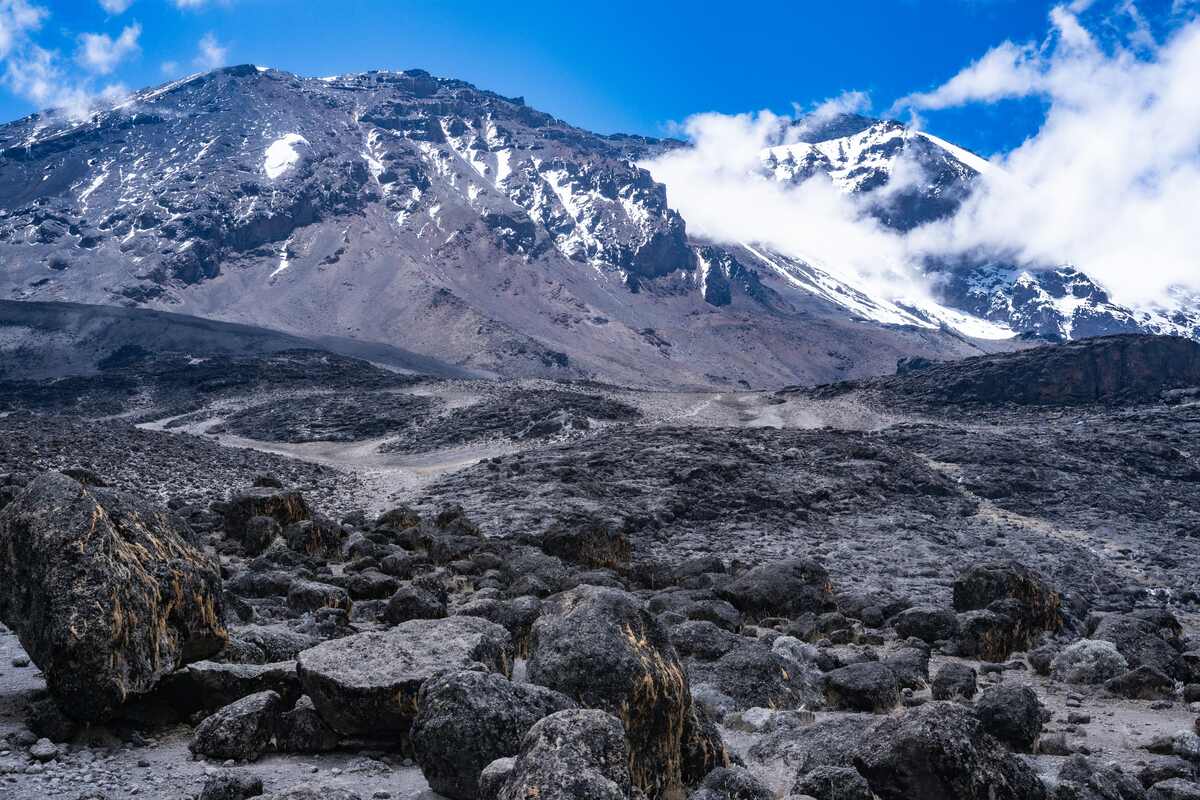
Unlike Everest or the Alps:
No technical climbing skills are required
No ropes, crampons, or ice axes needed on standard routes
Trekkers walk on well-defined paths, though some are steep or rocky
Insight: Kilimanjaro is more about endurance, altitude acclimatization, and mental toughness than technical climbing.
Several factors make Kilimanjaro challenging:
The summit is almost 6,000 meters above sea level
Oxygen levels drop by about 50% at the top, making breathing harder
Acute Mountain Sickness (AMS) is the main reason climbers fail
| Route | Duration | Difficulty | Notes |
|---|---|---|---|
| Marangu | 5–6 days | Moderate | Hut accommodation, shorter, less acclimatization |
| Machame | 6–7 days | Moderate | Scenic, camping, gradual ascent |
| Lemosho | 7–8 days | Moderate | Best acclimatization, high success |
| Northern Circuit | 8–9 days | Moderate | Longest route, quiet, excellent acclimatization |
| Rongai | 6–7 days | Moderate | Dry-season route, northern approach |
| Umbwe | 5–6 days | Hard | Short, steep, physically demanding |
Steep, short routes like Umbwe are harder, while longer routes provide gradual ascent and higher success.
Short routes: 5–6 days → more physically demanding and higher risk of AMS
Long routes: 7–9 days → allow better acclimatization, less strenuous
Cardiovascular endurance and leg strength help but are less critical than altitude adaptation
Beginners can succeed with training and proper pacing
Temperatures vary from warm forest at the base to freezing summit conditions
Rain, wind, and snow can increase difficulty
Walking 5–8 hours daily, often uphill
Cold nights, high winds, and reduced oxygen
Carrying a small daypack or personal gear
Coping with fatigue, altitude, and slow pace
Staying motivated during long ascents and harsh conditions
Overcoming fears of altitude sickness
Tip: Mental preparation is as important as physical fitness. Patience and a positive mindset greatly improve chances of summiting.
| Climber Type | Recommended Routes | Summit Success Rate |
|---|---|---|
| Beginner | Lemosho, Machame | 70–90% |
| Moderate | Machame, Rongai | 75–85% |
| Experienced | Northern Circuit | 90–95% |
| Advanced / Fast Hiker | Umbwe | 40–60% |
Beginners should choose longer routes to increase success and reduce difficulty.
Train before the climb – Hiking, cardio, strength training
Choose a longer route – Better acclimatization
Hire guides and porters – Reduces fatigue and improves safety
Follow a slow pace – “Pole pole” (slowly, slowly in Swahili)
Stay hydrated – 3–4 liters per day
Dress in layers – Prepare for temperature fluctuations
Listen to your body – Stop if severe AMS develops
Insight: Proper preparation, pacing, and support reduce the difficulty significantly.
Q1. Is Kilimanjaro harder than other mountains?
A: Technically no, since it is non-technical, but altitude makes it challenging.
Q2. Do I need prior hiking experience?
A: Not necessarily; training and fitness improve comfort and success.
Q3. Which route is the easiest?
A: Lemosho and Marangu are considered beginner-friendly; Northern Circuit is long but gradual.
Q4. How do I cope with altitude?
A: Ascend slowly, stay hydrated, rest, and consider medication if necessary.
Q5. Can children or seniors climb Kilimanjaro?
A: Yes, with proper route choice, training, and guided support.
Climbing Kilimanjaro is physically and mentally challenging, mainly due to altitude, duration, and weather, rather than technical difficulty. With proper training, route selection, pacing, and professional guidance, most people can reach the summit.
Key Insight: Kilimanjaro is a test of endurance, patience, and acclimatization, not technical climbing skill. Even beginners can succeed with preparation and the right support.