
Zanzibar — the “Spice Island” of Tanzania — is famous for its white-sand beaches, turquoise waters, rich culture, and exotic history. But if you’re planning a trip, one of the first questions you might have is:
“Is Zanzibar safe for international tourists?”
The short answer: Yes, Zanzibar is generally safe for travelers. However, like any popular tourist destination, there are certain precautions you should take to ensure a smooth and stress-free vacation.
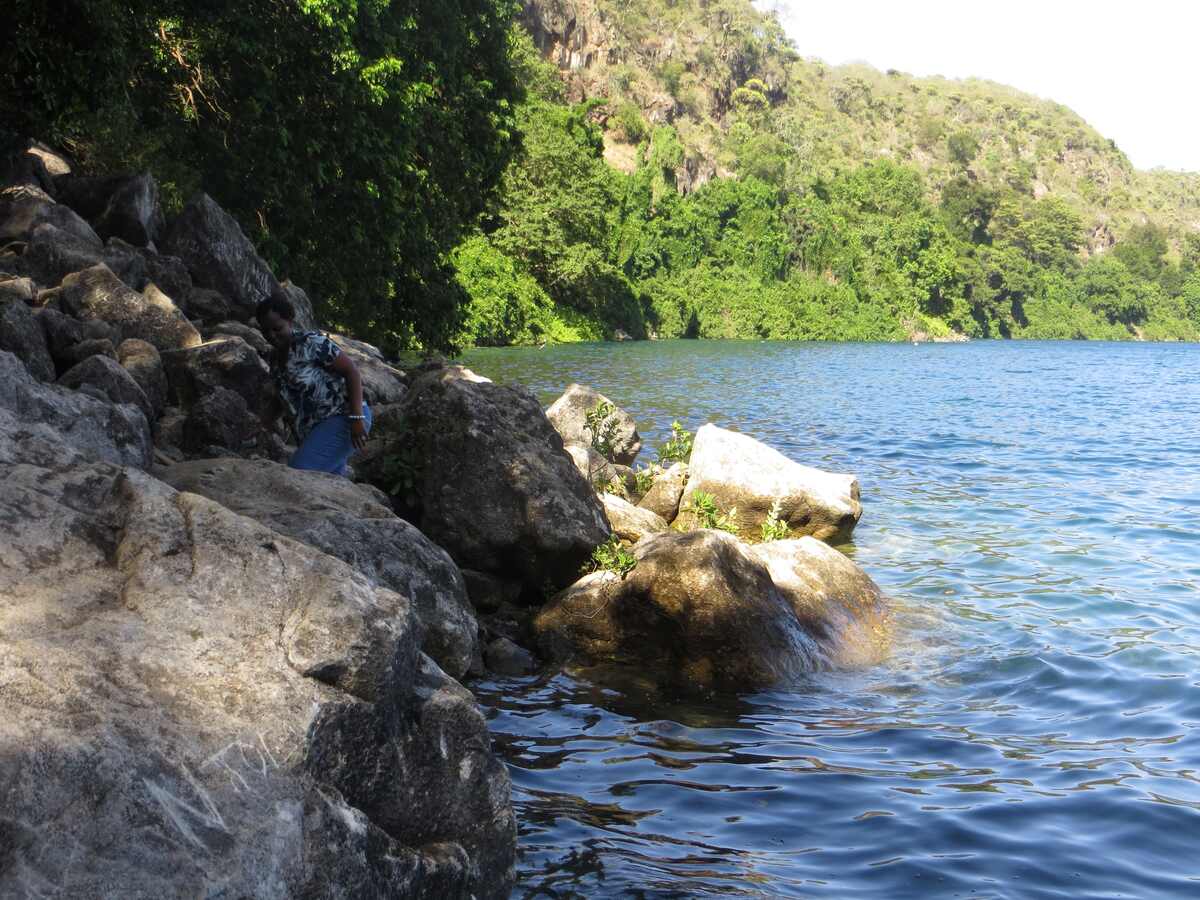
Zanzibar is one of Tanzania’s safest travel destinations, attracting thousands of international visitors every year. The majority of tourists experience no major safety issues, especially when staying in resorts, hotels, and organized safari or tour packages.
Friendly locals – Zanzibaris are known for their warm hospitality.
Tourism-focused economy – Tourism is a major source of income, so the government prioritizes traveler safety.
Low violent crime rates – Most incidents are limited to petty theft, not violent crimes.
Well-developed tourist infrastructure – Plenty of reliable hotels, guides, and transport options.
However, like any international travel destination, there are situations where caution is needed, especially in crowded markets, at night, and when exploring unfamiliar areas.
Zanzibar is generally safe, but travelers should be aware of minor crimes that occasionally happen in tourist areas.
| Risk | Level | Safety Tips |
|---|---|---|
| Pickpocketing | Low | Keep valuables in money belts or cross-body bags. Avoid flashing expensive items. |
| Bag Snatching | Low | Be cautious in crowded markets and avoid carrying unnecessary items. |
| Scams & Overcharging | Moderate | Always negotiate taxi fares and confirm prices before paying. Use reputable tour companies. |
| Nighttime Safety | Moderate | Avoid walking alone on empty beaches or streets after dark. Stick to well-lit areas. |
Pro Tip: Book your airport transfers and tours through licensed Zanzibar tour operators to minimize safety risks.
Apart from personal safety, health precautions are essential when traveling to Zanzibar.
Yellow Fever Vaccine – Required only if arriving from a yellow fever risk country.
Recommended Vaccinations: Hepatitis A & B, Typhoid, Tetanus.
Malaria – Zanzibar is in a malaria zone, so mosquito protection is key. Use:
Mosquito repellents
Bed nets at night
Anti-malarial tablets (consult your doctor before traveling)
Drink bottled or filtered water only.
Avoid raw seafood from street vendors unless properly cooked.
Eat at reputable restaurants and hotels.
Stone Town has modern clinics and private hospitals, such as:
Tasakhtaa Global Hospital
Mnazi Mmoja Hospital
Most beach resorts also have 24/7 access to medical assistance.
Tip: Always get comprehensive travel insurance that covers medical emergencies, evacuation, and trip cancellations.
Zanzibar is predominantly Muslim, and respecting local customs enhances both your safety and your experience.
Dress Modestly in Stone Town and rural villages:
Women should cover shoulders and knees.
Men should avoid sleeveless shirts in public.
During Ramadan: Avoid eating or drinking in public during fasting hours.
Ask before taking photos of locals.
Alcohol is available in hotels and resorts but drink responsibly.
By showing cultural respect, you’ll receive warm hospitality and avoid unwanted attention.
Getting around Zanzibar is generally safe, but it’s important to choose reliable transportation options.
Use licensed taxis or arrange transfers through your hotel.
Confirm the fare before starting the journey.
Airport to Stone Town costs around $20–$30 USD; to northern beaches $40–$60 USD.
Cheap but crowded and less safe for tourists.
Not recommended for first-time visitors.
Driving is on the left side in Zanzibar.
You need a temporary Zanzibar driving permit.
Roads can be challenging, so use a local driver if possible.