The Kilimanjaro Machame Route 6 Days Climb is one of the most popular trekking options on Mount Kilimanjaro. Often referred to as the “Whiskey Route,” this trail is famous for its breathtaking scenery, varied landscapes, and rewarding summit challenge.
Starting from Moshi, climbers pass through multiple ecological zones including dense rainforest, heather and moorland, alpine desert, and the arctic summit zone. The journey ends at Uhuru Peak, the highest point in Africa at 5,895 meters.
The 6-day itinerary is ideal for travelers who want a shorter climb while still experiencing the beauty and challenge of Kilimanjaro. However, it requires good physical fitness due to quicker altitude gain compared to longer routes.
The cost of the 6-day Machame Route varies depending on group size, level of service, and tour operator.
Group Joining Climb: $1,400 – $1,900
Private Climb (2–4 people): $1,800 – $2,500
Luxury Climb: $2,800 – $4,000
Several factors determine the overall price:
Park fees regulated by Kilimanjaro National Park
Number of climbers in a group
Quality of equipment and food
Guide and porter wages
Transport from Moshi to the gate
Accommodation before and after the trek
Most packages include:
Kilimanjaro park entry fees
Professional mountain guides
Porters and cook team
All meals during the climb
Camping equipment (tents, chairs, tables)
Safety gear (oxygen tanks, first aid kits)
Transfers between Moshi and Machame Gate
Accommodation in Moshi (before and after climb)
International flights
Visa fees for Tanzania
Travel insurance
Tips for guides and porters ($200–$300 recommended)
Personal trekking gear
The Machame Route is one of the best routes on Mount Kilimanjaro due to several advantages:
Climbers experience diverse landscapes, from lush rainforest to glaciers.
The “climb high, sleep low” strategy improves acclimatization.
Camping along the route provides a true mountain adventure.
You’ll meet climbers from all over the world.
Elevation: 1,800m to 3,000m
Habitat: Rainforest
Hiking Time: 5–7 hours
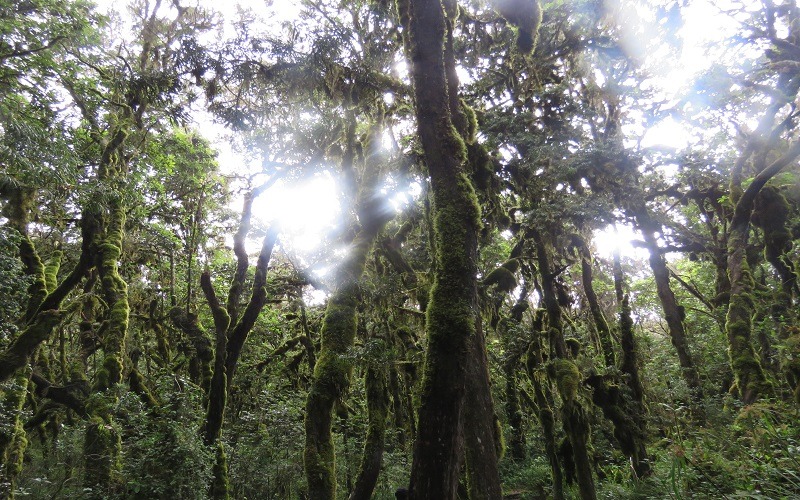
The journey starts with a drive from Moshi to Machame Gate. After registration, you begin trekking through dense rainforest filled with wildlife and unique vegetation.
Elevation: 3,000m to 3,840m
Habitat: Moorland
Hiking Time: 4–6 hours
You leave the forest and enter moorland terrain with open views. On clear days, you can see Mount Meru.
Elevation: 3,840m to 4,630m then down to 3,960m
Hiking Time: 6–8 hours
This is a key acclimatization day. You climb to Lava Tower and descend to Barranco Camp.
Elevation: 3,960m to 4,640m
Hiking Time: 6–8 hours
You climb the Barranco Wall and continue to Barafu Camp where you prepare for summit night.
Elevation: 4,640m to 5,895m then down to 3,100m
Hiking Time: 10–14 hours
You start at midnight and trek to Uhuru Peak, the highest point on Mount Kilimanjaro. After reaching the summit, you descend to Mweka Camp.
Elevation: 3,100m to 1,640m
Hiking Time: 3–5 hours
You descend through rainforest and receive your summit certificate before returning to Moshi.
The best months to climb Mount Kilimanjaro are:
January to March (less crowded, colder)
June to October (dry season, most popular)
Avoid April, May, and November due to heavy rains.
Climbing Kilimanjaro requires good physical fitness.
Recommended preparation:
Cardio training (running, hiking)
Strength training (legs and core)
Practice hiking with a backpack
Waterproof hiking boots
Warm clothing layers
Sleeping bag (-10°C or lower)
Trekking poles
Headlamp
Moshi is the main base for Kilimanjaro climbs. It offers:
Easy access to the mountain
Reliable tour operators
Good accommodation options
Compared to Arusha, Moshi is closer to Kilimanjaro.
Licensed company
Positive reviews
Fair porter treatment
Clear pricing
Yes, it is a great option for climbers who want a shorter itinerary with a good balance of cost and experience.
Climbing Mount Kilimanjaro is safe with a professional team.
Safety measures include:
Daily health checks
Oxygen monitoring
Emergency evacuation plans
Altitude sickness is the main challenge, so proper acclimatization is important.
How much does the 6 Days Machame Route cost in Tanzania?
It ranges from $1,400 to $2,500 depending on the package.
Is the Machame Route difficult?
It is moderately challenging.
Do I need experience?
No technical climbing skills are required.
How high is Kilimanjaro?
Uhuru Peak is 5,895 meters above sea level.
The Kilimanjaro Machame Route 6 Days Climb Cost Tanzania offers an unforgettable trekking experience with stunning landscapes and a rewarding summit. For travelers visiting Tanzania, this route remains one of the best ways to explore and conquer Mount Kilimanjaro.
No results available
ResetNo results available
ResetTanzania is a year-round safari destination with many adventures being offered all over the country. For optimal wildlife sightings, the dry season from June to October is your best bet! Read more on when to visit Tanzania
Both have their perks with Big Five national parks, the incredible Great Migration and that quintessential African experience we all dream of. Check out our article on Serengeti vs Masai Mara to help you decide.
They both have such different safari experiences! Tanzania offers Big Five game reserves on classic dusty desert plains, rather South Africa partners the Big Five animals with luscious winelands. Both are just as good, but it depends on your safari style.
That’s a tough one! Botswana is home to herds of elephants at Chobe and the sparkling Okavango Delta, and Tanzania has the iconic Mount Kilimanjaro and Great Migration. Check out our article on Botswana vs Tanzania safaris to help you decide.
Tanzania is in general a safe, hassle-free country. However, like most places, you do need to take precautions and listen to your tour guide. It also pays to read our articles on ‘Things to know before going to Tanzania’.
A camera and binoculars are a must. You’ll regret it if you don’t take them! As for clothing, definitely pack lightweight, breathable clothing. Remember, Tanzania is an arid country so the days can get quite hot. Read more on what to pack for a safari in Tanzania in our travel magazine
EXPERIENCES
BEST TOURS
copyright©2026 . Enjore Safaris