The Ngorongoro Crater, located in northern Tanzania, is often called “Africa’s Garden of Eden” — and for a good reason. It is home to one of the highest concentrations of wildlife in Africa, making it one of the top safari destinations in the world.
Inside this vast volcanic caldera, you’ll find over 30,000 animals, including the Big Five, rare black rhinos, massive elephant bulls, and diverse birdlife.
In this complete guide, we’ll explore exactly what wildlife you can expect to see inside the Ngorongoro Crater, the best seasons for sightings, where to spot specific animals, and essential safari tips.
Location: Northern Tanzania, part of the UNESCO-listed Ngorongoro Conservation Area
Area: ~260 km² (100 square miles)
Depth: ~610 meters (2,000 feet)
Wildlife Population: ~30,000 animals
Key Feature: Year-round water and grasslands sustain permanent animal populations
Because the steep crater walls trap moisture and water sources remain available even during the dry season, the crater floor provides a rich, self-contained ecosystem. This makes it one of the best places in Africa for close-up wildlife encounters.
One of the highlights of a Ngorongoro safari is the chance to see all of Africa’s Big Five in a single day — something rare in most other safari destinations.
Ngorongoro Crater hosts one of Africa’s densest lion populations.
Most prides can be found lounging in the open grasslands.
Known for unique hunting behaviors, including cooperative stalking near swamps.
Best Spotting Areas:
Central grasslands
Near Ngoitokitok Springs
Along the Lerai Forest edges
Famous for massive bull elephants with impressive tusks.
Females and calves are less common on the crater floor — they tend to stay around the rim forests.
Best Spotting Areas:
Near swamps and Lake Magadi
Gorigor Swamp
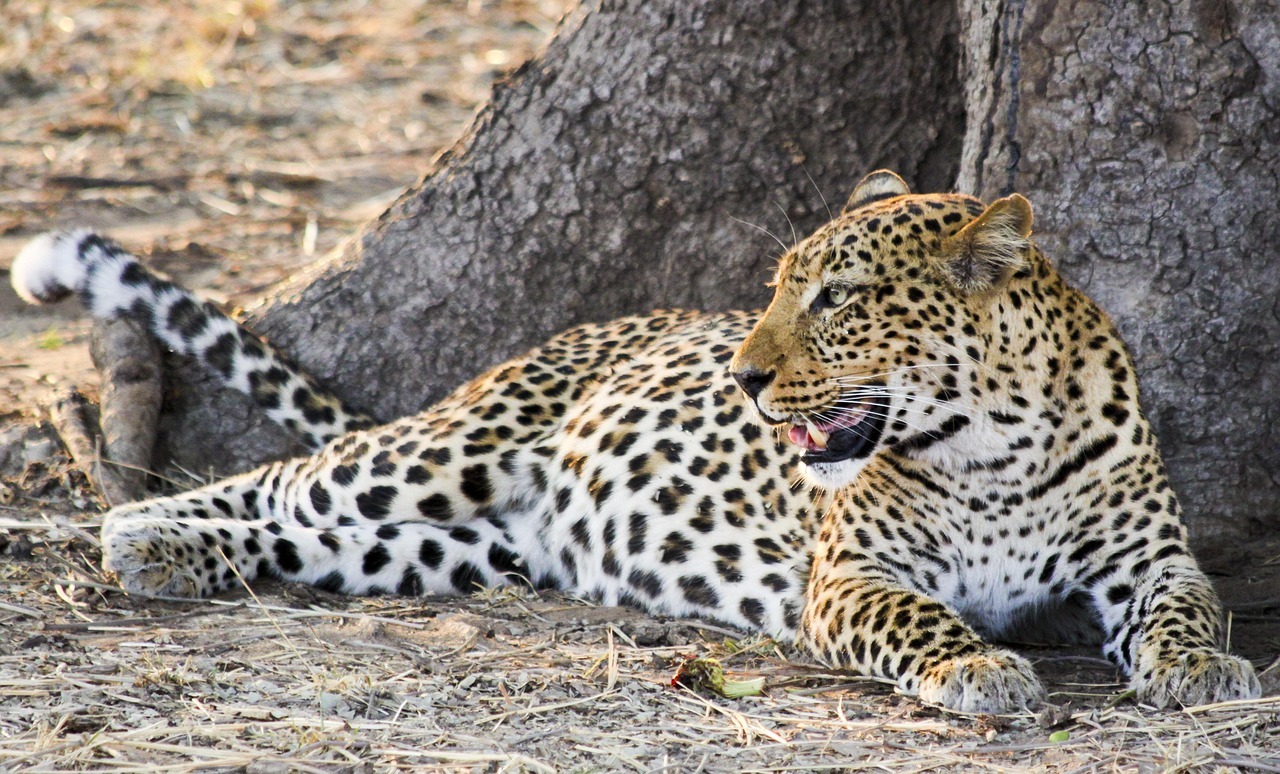
Leopards are elusive but occasionally spotted along forested crater walls.
Early morning and late evening are the best times to see them.
Best Spotting Areas:
Lerai Forest
Crater rim vegetation
Found in large herds grazing the open plains.
Often seen near water sources, especially during dry months.
Best Spotting Areas:
Central grasslands
Marshy river edges
One of the best places in Tanzania to spot endangered black rhinos.
Ngorongoro Crater hosts a small but stable population.
Usually spotted at a distance near grassy plains and Lake Magadi.
Best Spotting Areas:
Near the lake shores
Central open plains
Beyond the Big Five, Ngorongoro supports a spectacular range of animals:
Wildebeest: Over 7,000 resident wildebeests graze year-round.
Zebras: About 5,000 zebras coexist peacefully with wildebeest.
Gazelles: Thomson’s and Grant’s gazelles are common across the grasslands.
Warthogs: Frequently seen kneeling while grazing.
Hippos: Large pods occupy Ngoitokitok Springs and Lake Magadi.
Eland: Africa’s largest antelope, often grazing near the crater walls.
Apart from lions and leopards, Ngorongoro hosts other fascinating predators:
Hyenas: Highly active scavengers, often seen in family groups.
Cheetahs: Rare but occasionally spotted hunting in open grasslands.
Jackals & Servals: Small carnivores that thrive in the crater’s grasslands.
Ngorongoro is a birdwatcher’s paradise, home to 500+ recorded species.
Notable Birds:
Flamingos (seasonal, at Lake Magadi)
Kori bustards (Africa’s heaviest flying bird)
Crowned cranes
Ostriches
Secretary birds
Pelicans and herons near wetlands
| Area | Wildlife Highlights |
|---|---|
| Lake Magadi | Flamingos, rhinos, pelicans, wildebeest |
| Ngoitokitok Springs | Hippos, elephants, lions nearby |
| Lerai Forest | Leopards, elephants, birdlife |
| Central Grasslands | Lions, wildebeests, zebras, buffaloes |
| Gorigor Swamp | Hippos, elephants, and many grazing herbivores |
Because of its unique microclimate and year-round water sources, wildlife viewing is excellent throughout the year. However, different seasons offer slightly different experiences:
| Season | Months | Highlights |
|---|---|---|
| Dry Season | Jun–Oct | Best overall game viewing, animals gather near water |
| Calving Season | Jan–Feb | Wildebeest give birth — attracts predators |
| Green Season | Nov–Mar | Lush scenery, excellent birdwatching |
| Rainy Season | Apr–May | Fewer crowds, but some roads may be muddy |
Pro Tip: Visit during January–February if you want to witness wildebeest calving and high predator activity.
To make the most of your Ngorongoro safari:
Start Early – Gates open at 6:00 AM, when predators are most active.
Hire an Experienced Guide – Local guides know the best spots for elusive animals.
Bring Binoculars – Especially useful for spotting rhinos and leopards.
Pack for All Weather – The crater can be chilly in the morning and hot at midday.
Use a Quality Camera – A zoom lens helps capture distant wildlife beautifully.
Stay Overnight Nearby – Lodges on the crater rim allow you to be first in line at the gates.
Approximately 30,000 animals, including large mammals, predators, and rare species.
Yes — Ngorongoro is one of the few places in Africa where this is possible.
Interestingly, no. Giraffes are common in the Ngorongoro Conservation Area, but the crater walls are too steep for them to descend.
Ngorongoro offers concentrated sightings due to its compact size, but the Serengeti is unbeatable for wildebeest migration.
No — only daytime game drives are permitted for safety and conservation reasons.
Ngorongoro Crater is unlike any other safari destination in Africa:
Its enclosed ecosystem ensures constant wildlife activity.
You can spot dozens of species within just a few hours.
It’s ideal for first-time safari travelers and photography enthusiasts.
Whether you want to see majestic lions, rare rhinos, or thousands of wildebeests, Ngorongoro guarantees an unforgettable wildlife experience.
If you’re planning a safari in 2025, the Ngorongoro Crater should be at the top of your list. It offers:
Year-round wildlife viewing
A chance to see the Big Five
Rare species like black rhinos
Incredible birdlife
Its unique geology, ecosystems, and dense animal populations make it one of Africa’s most rewarding safari destinations.
Pro Tip: Combine your Ngorongoro visit with the Serengeti, Lake Manyara, and Tarangire National Park for the ultimate Northern Tanzania safari experience.