
When planning a Tanzania safari, one of the most common safety concerns is: Are hospitals available near safari destinations? While Tanzania offers some of the world’s best wildlife experiences, it’s important to understand the medical infrastructure in and around national parks and safari lodges.
Tanzania’s healthcare system varies significantly depending on location:
Urban Areas: Cities like Dar es Salaam, Arusha, and Mwanza have well-equipped hospitals with specialists and modern facilities.
Regional Towns: Smaller towns near parks such as Karatu (Ngorongoro), Seronera (Serengeti), and Manyara (Lake Manyara) have clinics and district hospitals.
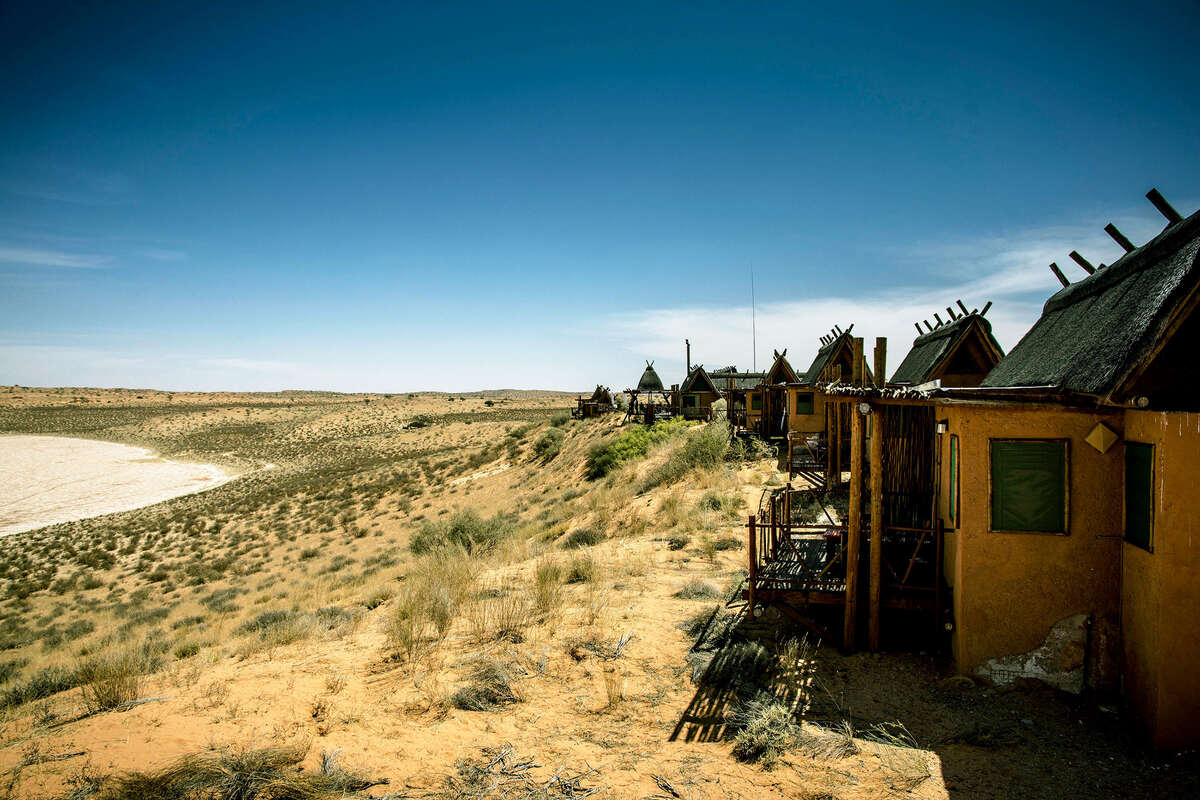
Remote Safari Locations: Deep inside parks, medical facilities are limited or non-existent, so lodges rely on first aid kits and emergency evacuation plans.
Nearest Hospitals: Seronera Health Center and Kijana Hospital in Mugumu.
Facilities: Basic emergency care and first aid; serious cases require evacuation to Arusha or Mwanza.
Travel Tip: Most safari operators carry medical kits and oxygen for emergencies.
Nearest Hospitals: Karatu District Hospital, Arusha Hospital (for serious emergencies).
Facilities: Local hospitals can handle minor injuries and common illnesses; severe cases often require air evacuation.
Nearest Hospitals: Babati Hospital and Arusha Regional Hospital.
Facilities: Basic to moderate care; emergency evacuation possible with safari operator support.
Nearest Hospitals: Mto wa Mbu Health Center, Babati District Hospital.
Facilities: Sufficient for minor medical issues; serious emergencies may require transport to Arusha.
Nearest Hospitals: Iringa Regional Hospital.
Facilities: Limited care; safari operators often arrange emergency evacuation if necessary.
Nearest Hospitals: Ifakara District Hospital.
Facilities: Basic treatment available; serious cases often require flight to Dar es Salaam.
Many safari companies offer emergency evacuation plans, which can include:
Ambulance transfer to nearby towns.
Air ambulance services to major hospitals in Arusha, Dar es Salaam, or Mwanza.
Satellite phones in remote lodges for 24/7 contact with medical assistance.
Travelers are advised to confirm emergency evacuation coverage with their safari operator before booking.
Most reputable safari operators ensure:
Well-stocked first aid kits in vehicles and lodges.
Guides trained in basic first aid and CPR.
Oxygen cylinders for altitude-related emergencies, especially near Kilimanjaro treks.
Communication devices for remote locations.
Travel insurance: Ensure it covers medical evacuation.
Bring your own medications: Including anti-malarials, painkillers, and prescriptions.
Know your nearest hospital locations before starting your safari.
Follow park safety rules: Keep distance from wildlife and stay inside vehicles during game drives.
Stay hydrated and protect against sunburn and insect bites.
1. Are there full-service hospitals inside national parks?
No, most national parks have no full-service hospitals. Clinics may be available in nearby towns, but serious medical emergencies require transport to larger hospitals.
2. Can safari guides handle medical emergencies?
Yes, guides are trained in first aid, carry medical kits, and know evacuation procedures.
3. Is it safe for families and children?
Yes, as long as proper precautions are taken and travel insurance with medical coverage is arranged.
4. What about emergencies in remote areas like Selous or Ruaha?
Emergency evacuation by vehicle or air ambulance is the standard procedure. Most safari operators coordinate these in advance.
5. Should I bring my own medical supplies?
Absolutely. Include any prescription medications, malaria tablets, first aid supplies, and over-the-counter medications for common ailments.