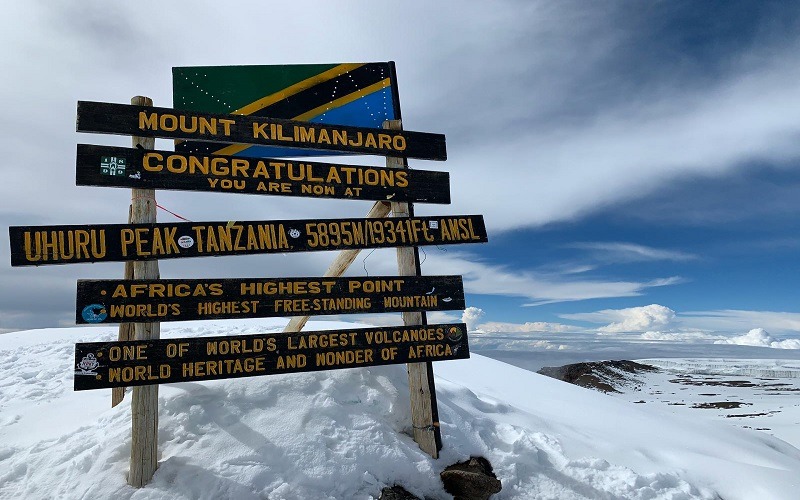
The 8 Days Kilimanjaro Group Joining Tour 2026 is the most recommended and safest way to climb Mount Kilimanjaro, the highest mountain in Africa standing at 5,895 meters above sea level. This extended itinerary is designed for climbers who want the highest chance of reaching the summit successfully while enjoying a comfortable and well-paced trekking experience.
Unlike shorter routes, the 8-day version provides the best acclimatization schedule, giving your body enough time to adapt to high altitude conditions. This significantly reduces the risk of altitude sickness and increases the success rate to over 90% for well-prepared climbers.
This group joining tour is ideal for solo travelers, couples, friends, and budget travelers who want to share costs while enjoying a professionally guided expedition. Climbers will follow the scenic Machame Route, also known as the “Whiskey Route,” famous for its diverse ecosystems, breathtaking landscapes, and gradual altitude gain.
The journey takes you through five distinct ecological zones: rainforest, heath, moorland, alpine desert, and Arctic summit zone. Every day offers a new environment, making this one of the most beautiful trekking experiences in the world.
The ultimate goal is to reach Uhuru Peak, the highest point in Africa, where climbers witness unforgettable sunrise views above the clouds.
This itinerary is especially recommended for first-time climbers or those concerned about altitude effects.
Timing plays a very important role in your success and comfort during the climb.
The best months for climbing Mount Kilimanjaro are June to October due to stable weather and excellent visibility.
Your adventure begins at Machame Gate where you complete registration and meet your mountain crew including guides, cooks, and porters.
The trek begins through dense tropical rainforest filled with giant trees, moss, and wildlife such as monkeys and exotic birds. The path is humid, muddy, and steep in some sections.
After 5–7 hours of trekking, you arrive at Machame Camp where you enjoy your first dinner on the mountain and overnight rest.
You leave the rainforest and enter the moorland zone where vegetation becomes shorter and the landscape opens up.
The trail offers stunning views of valleys and volcanic formations. The hike takes 4–6 hours, and you arrive at Shira Camp for rest and acclimatization.
This is an important acclimatization day. You trek toward Lava Tower at 4,600 meters, where altitude becomes noticeable.
After lunch and rest, you descend to Barranco Camp. This “climb high, sleep low” method improves your body’s adaptation to altitude.
Barranco Camp is one of the most scenic camps with giant plants and dramatic cliffs.
You start the day by climbing the famous Barranco Wall, a steep but safe section requiring light scrambling.
After reaching the top, you continue through valleys and ridges to Karanga Camp. This shorter day helps recovery and energy conservation.
Karanga Camp is an important acclimatization stop before heading higher.
You continue trekking toward Barafu Camp, the base camp for the summit attempt.
The terrain becomes rocky and cold as you gain altitude. This short but important hike allows you to rest early and prepare for the midnight summit push.
At Barafu Camp, you eat early, hydrate, and prepare gear for the most important night of the climb.
This is the most challenging and exciting day. You begin your summit attempt at midnight under a sky full of stars.
After 6–8 hours of slow climbing, you reach Uhuru Peak, the highest point in Africa.
Watching the sunrise from the summit is one of the most powerful experiences in the world. After photos and celebration, you descend back to Barafu Camp and continue to Mweka Camp.
This day takes 10–14 hours of trekking.
You descend through the lush rainforest, enjoying fresh oxygen and warmer temperatures.
After 3–5 hours, you reach Mweka Gate where you receive your summit certificate and celebrate your achievement of climbing Mount Kilimanjaro.
This extra day is often used for full recovery in Arusha or Moshi. Climbers can relax, explore local culture, or prepare for their next destination such as safari or Zanzibar.
Proper preparation is key for success:
This group joining tour is suitable for:
No technical climbing skills are required, but good physical fitness is important.
Q: Is 8 days better than 7 days?
A: Yes, it provides better acclimatization and higher success rates.
Q: What is the success rate?
A: Around 85–95% depending on fitness and weather conditions.
Q: Is this climb safe?
A: Yes, with professional guides and proper preparation.
Q: Do I need experience?
A: No experience is needed, only good fitness.
The 8 Days Kilimanjaro Group Joining Tour 2026 is the best and safest way to climb Mount Kilimanjaro. With excellent acclimatization, professional guidance, and breathtaking scenery, this itinerary offers the highest chance of reaching Uhuru Peak successfully.
This is not just a climb—it is a life-changing adventure above the clouds.
Join the 8 Days Kilimanjaro Group Climb in 2026 and conquer the Roof of Africa!
No results available
ResetNo results available
ResetTanzania is a year-round safari destination with many adventures being offered all over the country. For optimal wildlife sightings, the dry season from June to October is your best bet! Read more on when to visit Tanzania
Both have their perks with Big Five national parks, the incredible Great Migration and that quintessential African experience we all dream of. Check out our article on Serengeti vs Masai Mara to help you decide.
They both have such different safari experiences! Tanzania offers Big Five game reserves on classic dusty desert plains, rather South Africa partners the Big Five animals with luscious winelands. Both are just as good, but it depends on your safari style.
That’s a tough one! Botswana is home to herds of elephants at Chobe and the sparkling Okavango Delta, and Tanzania has the iconic Mount Kilimanjaro and Great Migration. Check out our article on Botswana vs Tanzania safaris to help you decide.
Tanzania is in general a safe, hassle-free country. However, like most places, you do need to take precautions and listen to your tour guide. It also pays to read our articles on ‘Things to know before going to Tanzania’.
A camera and binoculars are a must. You’ll regret it if you don’t take them! As for clothing, definitely pack lightweight, breathable clothing. Remember, Tanzania is an arid country so the days can get quite hot. Read more on what to pack for a safari in Tanzania in our travel magazine
EXPERIENCES
BEST TOURS
copyright©2026 . Enjore Safaris