The Kilimanjaro Shira Route 7 Days Climb Cost Tanzania 2026 is one of the most scenic and unique ways to trek to the summit of Mount Kilimanjaro. Known for its dramatic landscapes and panoramic views, the Shira Route begins on the western side of the mountain at a higher altitude than most other routes.
Organized by Enjore Safaris, this route is designed for trekkers who want a quieter, more exclusive experience while still enjoying a well-structured climb. It later merges with the Machame Route, offering a balanced combination of scenery, acclimatization, and summit success potential.
Although the 7-day itinerary provides less acclimatization time compared to the 8-day version, it is still a popular choice for climbers who want a shorter yet rewarding trek.
The journey concludes at the iconic Uhuru Peak, standing proudly at 5,895 meters above sea level.
The cost of climbing Kilimanjaro via the Shira Route depends on several important factors including group size, season, and level of service.
This route is considered a premium option due to its unique starting point and additional transport logistics required to access the Shira Plateau.
Understanding what you are paying for helps you make informed decisions:
These are mandatory and form a large portion of the cost:
Unlike many routes, the Shira Route requires a vehicle transfer to a higher altitude starting point, increasing operational costs.
A typical Kilimanjaro climb includes:
Each climber is supported by a dedicated team, ensuring safety and comfort.
These are essential for high-altitude trekking.
The Shira Route stands out for several reasons:
However, due to its high starting altitude, climbers must be physically prepared.
While beautiful, the route presents some challenges:
These factors make preparation essential.
Choosing the right season improves your chances of success:
The dry seasons offer better visibility, safer trails, and more stable weather.
Your journey begins with a drive from Moshi to Shira Gate.
After registration, you are transported by vehicle to the starting point on the Shira Plateau.
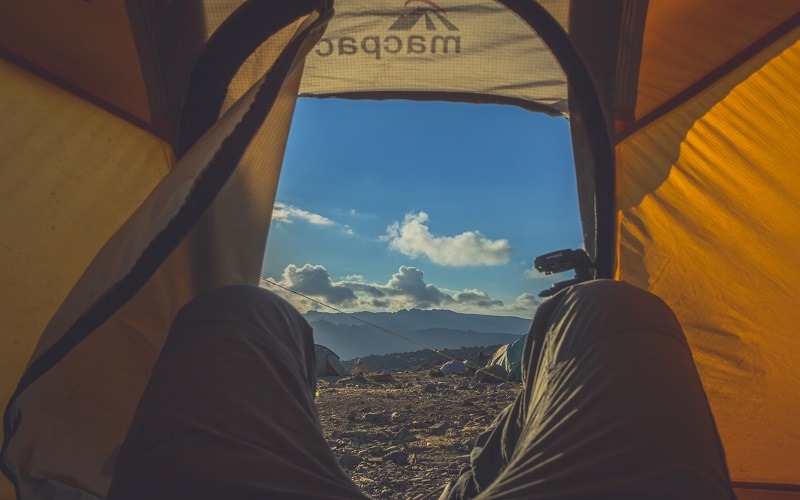
The trek begins in open moorland terrain with spectacular views.
You hike for 3–5 hours before reaching Shira 1 Camp.
This is your first exposure to higher altitude, so it is important to take it easy.
You continue trekking across the wide Shira Plateau.
The terrain is relatively gentle, allowing your body to adjust to altitude.
You will enjoy stunning views of the mountain and surrounding landscape.
After 4–6 hours, you reach Shira 2 Camp.
This day is crucial for acclimatization.
This is an important acclimatization day.
You hike up to Lava Tower at high altitude.
After spending some time there, you descend to Barranco Camp.
This “climb high, sleep low” strategy helps your body adapt.
Barranco Camp is located in a beautiful valley surrounded by giant senecio plants.
You start the day by climbing the famous Barranco Wall.
Although steep, it is not technical and can be completed safely with guidance.
After the climb, you continue through alpine desert terrain.
You arrive at Karanga Camp after 4–5 hours.
This is a shorter day to support acclimatization.
You ascend toward Barafu Camp, the base camp for the summit attempt.
The landscape becomes more rugged and cold.
This trek takes about 3–5 hours.
You rest early and prepare mentally and physically for summit night.
You begin your summit attempt at midnight.
This is the most challenging part of the climb.
After 6–8 hours, you reach Uhuru Peak.
Standing at the top of Africa is a life-changing moment.
After celebrating, you descend to Mweka Camp for overnight rest.
You descend through lush rainforest to Mweka Gate.
At the gate, you receive your summit certificate.
You are then transferred back to Moshi.
This marks the successful completion of your climb of Mount Kilimanjaro.
Most packages include hotel accommodation in Moshi:
Proper preparation is key:
Due to high starting altitude, some hiking experience is recommended.
Q: Is the Shira Route difficult?
A: It is moderate to challenging due to high starting altitude.
Q: What is the success rate?
A: Around 80–90% depending on preparation.
Q: Is it crowded?
A: No, it is less crowded than Machame and Marangu routes.
Q: Why choose 7 days instead of 8?
A: Shorter duration but slightly lower success rate.
The Kilimanjaro Shira Route 7 Days Climb Cost Tanzania 2026 with Enjore Safaris offers a premium and scenic trekking experience on Mount Kilimanjaro.
With breathtaking landscapes, professional support, and a rewarding summit at Uhuru Peak, this route provides an unforgettable journey to the Roof of Africa.
Tanzania is a year-round safari destination with many adventures being offered all over the country. For optimal wildlife sightings, the dry season from June to October is your best bet! Read more on when to visit Tanzania
Both have their perks with Big Five national parks, the incredible Great Migration and that quintessential African experience we all dream of. Check out our article on Serengeti vs Masai Mara to help you decide.
They both have such different safari experiences! Tanzania offers Big Five game reserves on classic dusty desert plains, rather South Africa partners the Big Five animals with luscious winelands. Both are just as good, but it depends on your safari style.
That’s a tough one! Botswana is home to herds of elephants at Chobe and the sparkling Okavango Delta, and Tanzania has the iconic Mount Kilimanjaro and Great Migration. Check out our article on Botswana vs Tanzania safaris to help you decide.
Tanzania is in general a safe, hassle-free country. However, like most places, you do need to take precautions and listen to your tour guide. It also pays to read our articles on ‘Things to know before going to Tanzania’.
A camera and binoculars are a must. You’ll regret it if you don’t take them! As for clothing, definitely pack lightweight, breathable clothing. Remember, Tanzania is an arid country so the days can get quite hot. Read more on what to pack for a safari in Tanzania in our travel magazine
EXPERIENCES
BEST TOURS
copyright©2026 . Enjore Safaris