Confused between climbing Kilimanjaro vs. Mount Meru? Discover the differences in difficulty, cost, scenery, altitude, trekking routes, and best time to climb each mountain.
If you’re planning a trekking adventure in Tanzania, the two most iconic mountains that stand out are Mount Kilimanjaro and Mount Meru. Both peaks offer unforgettable hiking experiences, incredible scenery, and the chance to immerse yourself in East Africa’s natural beauty. But the big question remains: Kilimanjaro vs. Mount Meru – which trek is right for you?
In this complete guide, we compare the two mountains in terms of height, trekking routes, difficulty, cost, scenery, acclimatization, wildlife, and overall experience. Whether you’re a first-time trekker or an experienced mountaineer, this article will help you make the right choice.
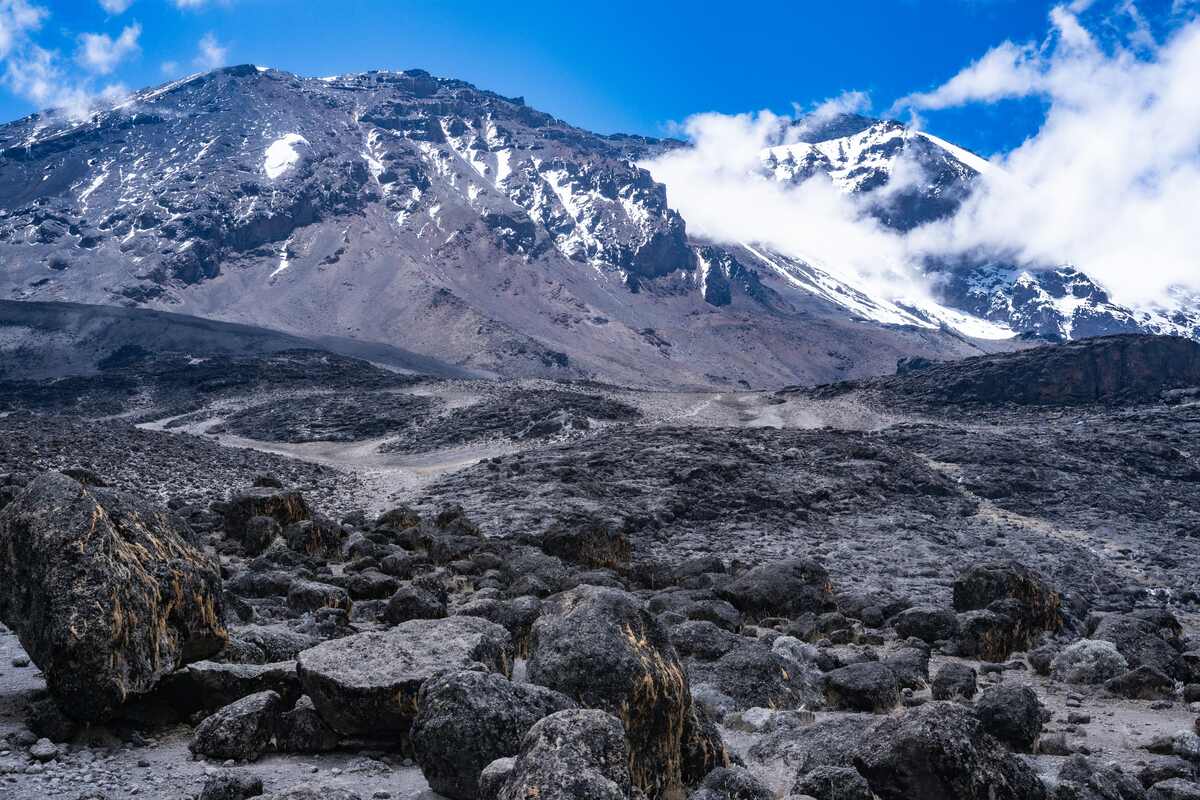
Height: 5,895m (19,341ft) – the highest mountain in Africa.
Location: Northern Tanzania, near Moshi and Arusha.
Nickname: The “Roof of Africa.”
Time Required: 5–9 days depending on the route.
Routes: Popular routes include Machame, Marangu, Lemosho, Rongai, and Northern Circuit.
Attraction: Reaching the summit of Africa’s tallest mountain – a bucket-list experience.
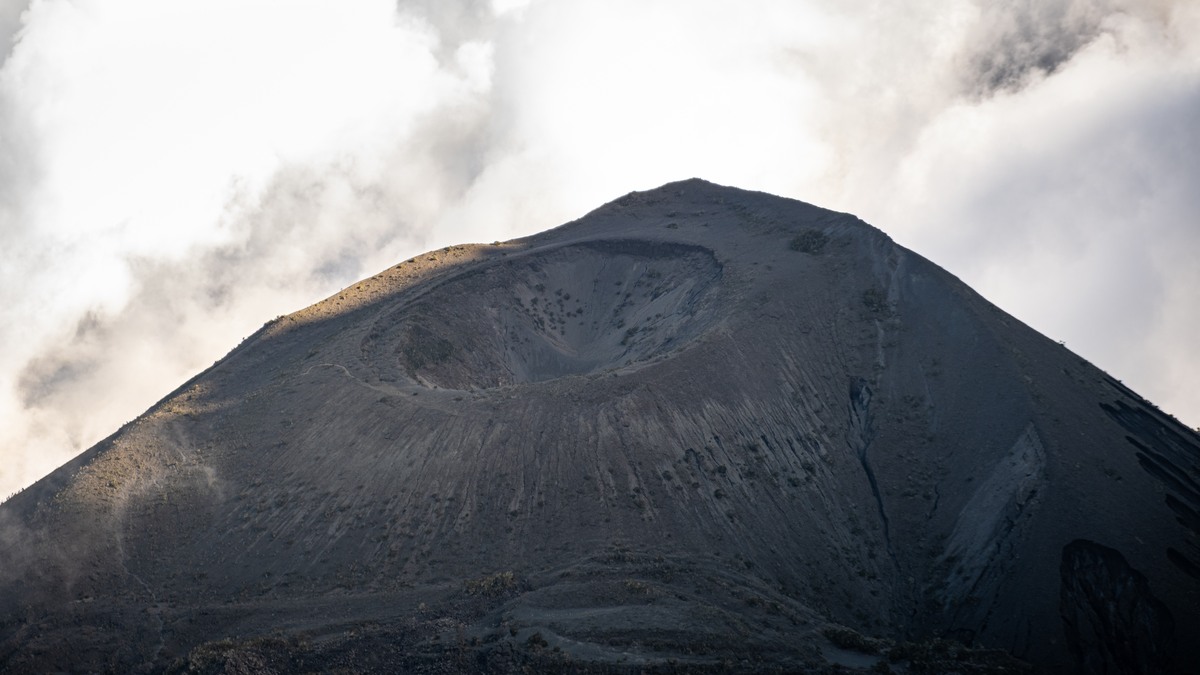
Height: 4,566m (14,980ft) – Tanzania’s second-highest mountain.
Location: Inside Arusha National Park, near Arusha town.
Time Required: 3–4 days.
Route: Only one main route (Momella Route).
Attraction: Shorter, less crowded trek with plenty of wildlife and great views of Kilimanjaro.
Considered a challenging trek due to altitude.
Summit night is especially tough, with a steep ascent at high altitude.
Success rate varies depending on route:
Northern Circuit & Lemosho: Higher success (85–90%).
Marangu (5 days): Lower success (50–60%) due to shorter acclimatization.
Requires strong physical fitness, mental endurance, and preparation.
Less demanding compared to Kilimanjaro, but still a tough trek.
Shorter trek (3–4 days) makes it more accessible.
Steep climbs and narrow ridges on the final ascent.
Success rates are generally higher than Kilimanjaro due to lower altitude.
Verdict:
If you want the ultimate challenge and to stand on Africa’s highest peak, choose Kilimanjaro. If you prefer a shorter, slightly easier trek with great views, Mount Meru is ideal.
Kilimanjaro is significantly more expensive.
Average cost: $2,000–$4,500 per person, depending on route, operator, and level of comfort.
Costs include park fees, camping/lodges, guides, porters, food, and equipment.
Longer routes (Lemosho, Northern Circuit) cost more.
Much more affordable.
Average cost: $800–$1,200 per person.
Since the trek is shorter and park fees are lower, it’s budget-friendly.
Includes ranger escorts (mandatory due to wildlife in Arusha National Park).
Verdict:
If budget is a major concern, Mount Meru is a great choice. But if your dream is conquering Africa’s highest mountain, Kilimanjaro is worth the investment.
Diverse landscapes, from rainforest to alpine desert to arctic glacier zones.
No large wildlife once past the lower slopes.
Famous landmarks: Lava Tower, Shira Plateau, Barranco Wall, and Uhuru Peak glaciers.
Located in Arusha National Park, with abundant wildlife on the lower slopes.
Possible to see elephants, buffalo, giraffes, and monkeys on the first day.
Summit offers spectacular sunrise views of Kilimanjaro across the plains.
Scenic crater rim walk adds uniqueness.
Verdict:
For wildlife and lush greenery, Mount Meru wins. For dramatic glaciers and iconic summit views, Kilimanjaro is unbeatable.
Many trekkers climb Mount Meru before Kilimanjaro as acclimatization training.
Climbing Meru helps your body adjust to altitude, improving your Kilimanjaro success rate.
A perfect combo trip is Mount Meru (3–4 days) + Kilimanjaro (7–8 days).
January–March: Clear skies, fewer crowds, colder at summit.
June–October: Warm, dry, and popular season.
Avoid April–May (heavy rains).
Same as Kilimanjaro: January–March and June–October.
Being inside a national park, trails may get muddy during rainy season.
Kilimanjaro: 5–9 days, depending on route.
Mount Meru: 3–4 days.
If you have limited time, Mount Meru is a great option. If you can commit more days, Kilimanjaro offers the full adventure.
Choose Mount Kilimanjaro if:
You want to climb the highest mountain in Africa.
You are looking for a bucket-list challenge.
You have 7–9 days available.
Budget is not the main issue.
Choose Mount Meru if:
You prefer a shorter and cheaper trek.
You want a warm-up climb before Kilimanjaro.
You love wildlife and scenic views.
You have less trekking experience.
Day 1–4: Trek Mount Meru (Momella Route) inside Arusha National Park.
Day 5–6: Rest and recover in Arusha/Moshi.
Day 7–13: Climb Mount Kilimanjaro via Lemosho or Machame Route.
Day 14: Safari in Ngorongoro Crater or Serengeti (optional).
This combination gives you both mountains, improves acclimatization, and maximizes your Tanzania adventure.
1. Which is harder: Kilimanjaro or Mount Meru?
Kilimanjaro is harder due to higher altitude and longer trek.
2. Can beginners climb Kilimanjaro?
Yes, with proper preparation. Many first-time trekkers successfully climb Kilimanjaro.
3. Is Mount Meru worth it if I’m already climbing Kilimanjaro?
Yes, it’s an excellent acclimatization climb and offers unique wildlife encounters.
4. Do both treks require guides?
Yes, both require licensed guides. Mount Meru also requires armed park rangers.
5. Which is more scenic?
Mount Meru offers more wildlife, while Kilimanjaro has glaciers and iconic summit views.
When deciding between Kilimanjaro vs. Mount Meru, the right choice depends on your goals, budget, and time.
For the ultimate challenge and the thrill of standing on Africa’s highest peak, Mount Kilimanjaro is the best trek.
For a shorter, more affordable, and wildlife-rich trek, Mount Meru is perfect.
For the best experience, consider doing both treks together, using Mount Meru as preparation for Kilimanjaro.
👉 Whichever mountain you choose, both Kilimanjaro and Mount Meru treks will give you an unforgettable adventure in Tanzania, filled with stunning landscapes, rich wildlife, and the achievement of conquering Africa’s greatest peaks.