
The 3 Days Rwanda’s Remarkable Akagera Safari 2026–2027 is a compact but richly varied wildlife journey from Kigali into Akagera National Park, Rwanda’s only protected savannah landscape and its only Big Five safari destination.
Akagera is one of the most remarkable conservation-restoration stories in modern African tourism. Today the park protects rolling savannah, woodland, lakes, papyrus swamps, wetlands and wildlife-rich northern plains within approximately 1,122 square kilometres of eastern Rwanda. African Parks describes Akagera as Central Africa’s largest protected wetland and Rwanda’s last remaining refuge for savannah-adapted wildlife. African Parks
The traditional Big Five are all present:
Lion → Leopard → Elephant → Rhino → Buffalo
Yet Akagera offers much more than a checklist. The landscape supports giraffes, zebras, topi, waterbuck, impala, hippos, crocodiles, antelope, primates and almost 500 recorded bird species. African Parks confirms thriving populations of lion, leopard, elephant, rhino and buffalo, together with giraffes, zebras and numerous other savannah species. African Parks
The park’s rhino story has become particularly important for 2026–2027. Eastern black rhinos returned beginning in 2017, while 30 southern white rhinos were introduced in 2021. An additional 70 southern white rhinos arrived in June 2025, and African Parks reported that Akagera’s white-rhino population stood at just over 100 animals by September 2026. African Parks
A practical three-day safari follows:
Kigali → Akagera National Park → Lake Ihema Boat Safari → Full-Day Big Five Game Drive → Northern Akagera Plains → Final Morning Wildlife Experience → Kigali
The journey develops naturally through:
Kigali countryside → savannah → lakes and wetlands → hippos and crocodiles → elephants and giraffes → lions and rhinos → northern plains → Kigali.
For travelers visiting Rwanda in 2026–2027, this is one of the strongest short itineraries for combining classic African safari wildlife with Rwanda’s broader gorilla, primate and cultural experiences.
Three days provides a much richer experience than a simple day trip from Kigali.
A day visitor may see part of the park, but a two-night stay allows Akagera to be experienced during several different wildlife periods:
Day 1 afternoon → Day 2 early morning → Day 2 afternoon → Day 3 morning.
Wildlife changes throughout the day.
Elephants may move toward water as temperatures rise.
Lions may remain hidden during the afternoon but become visible the following morning.
Rhinos may move between open and more vegetated areas.
Birdlife can change dramatically around Lake Ihema as light and temperature shift.
The park therefore becomes more rewarding when travelers have enough time to allow wildlife to appear naturally.
Akagera is Rwanda’s principal savannah wildlife destination.
African Parks confirms that conservation restoration has rebuilt populations of all five traditional Big Five species: lion, leopard, elephant, rhino and buffalo. African Parks
This is an extraordinary transformation considering the park’s recent history.
After periods of conflict, land loss, poaching and human-wildlife pressure, several species had disappeared or declined severely.
The modern Akagera story is therefore not simply about seeing wildlife.
It is about seeing wildlife that has returned.
Akagera was established as a national park in 1934, making it Rwanda’s oldest national park.
However, the park experienced major changes during the twentieth century. After the 1994 genocide, parts of the original protected area were reallocated to returning communities, and wildlife populations suffered heavily from illegal hunting and conflict.
In 2010, the Rwanda Development Board and African Parks began jointly managing Akagera through the Akagera Management Company. Since then, wildlife protection, habitat management, community partnerships and carefully planned species reintroductions have transformed the landscape. African Parks
Lions returned in 2015 after roughly two decades of absence.
Eastern black rhinos returned in 2017, with additional animals arriving in 2019.
Southern white rhinos were introduced in 2021.
Then, in June 2025, another 70 white rhinos arrived through the Rhino Rewild initiative. African Parks
This means visitors in 2026–2027 are experiencing a wildlife landscape that has changed dramatically within little more than a decade.
The rhino story is one of the strongest reasons Akagera is particularly interesting right now.
African Parks reports that 30 southern white rhinos were introduced in 2021.
That population had expanded before a further 70 animals were translocated to Akagera in 2025.
By September 2026, African Parks reported that the park contained just over 100 white rhinos, while the newer animals were establishing home ranges and calves had already been born within the 2025 group. African Parks
Akagera also retains its eastern black rhinos.
This combination gives the park an unusually important role in African rhino conservation.
Seeing a rhino should still never be guaranteed on a short safari.
The park is large and the animals move naturally.
Lions once disappeared from Akagera.
That changed in 2015 when seven lions were returned to the park after an absence of almost two decades.
The population subsequently reproduced, and additional conservation management strengthened their long-term presence. African Parks now describes Akagera as supporting a thriving lion population. African Parks
For modern Rwanda tourism, their return was symbolic.
A country better known internationally for mountain gorillas once again had a functioning savannah predator system.
Today, the possibility of seeing lions in Akagera allows visitors to combine:
gorillas in rainforest → lions on savannah
within one relatively compact country.
Akagera does not resemble one endless open plain.
Its strength comes from variety.
The landscape contains rolling hills, open savannah, woodland, swamp systems, lakes, papyrus wetlands and wide northern grasslands.
African Parks identifies the park as Central Africa’s largest protected wetland as well as Rwanda’s last refuge for savannah-adapted wildlife. African Parks
This landscape diversity allows a three-day safari to feel constantly different.
The southern region is strongly influenced by wetlands and lakes.
Moving north, the environment gradually becomes more open.
Large herbivores become increasingly prominent across broad plains.
That natural south-to-north transition is one of the most satisfying ways to experience Akagera.
A major advantage of Akagera is the ability to combine traditional game drives with a boat safari on Lake Ihema.
The official Akagera tourism site describes boat excursions as a completely different wildlife and bird-viewing perspective, with regular scheduled trips throughout the day. Akagera National Park
Lake Ihema is particularly associated with:
hippos, crocodiles, waterbirds and wildlife using the shoreline.
The change from vehicle to boat transforms the safari.
Instead of scanning grassland for lions or rhinos, attention shifts toward reeds, forested shorelines and open water.
Your 3 Days Rwanda’s Remarkable Akagera Safari begins in Kigali.
After breakfast at your hotel or an agreed pickup point, meet your professional safari driver-guide and begin traveling east toward Akagera National Park.
The road journey provides an immediate introduction to Rwanda beyond the capital.
Urban surroundings gradually give way to smaller settlements, agricultural landscapes and Rwanda’s characteristic rolling countryside.
The journey is part of what makes this short safari work well.
Kigali feels modern and busy.
Akagera feels increasingly rural and open.
By the time you approach the park, the environment has changed dramatically.
Visit Rwanda describes the overland journey between Kigali and Akagera as taking roughly several hours depending on route, traffic and the final destination within the park. Visit Rwanda
Because Akagera itself is long from south to north, travel time does not stop at the entrance gate.
Where you stay therefore matters.
After completing the relevant park formalities, enter Rwanda’s great savannah wilderness.
The first wildlife may appear surprisingly quickly.
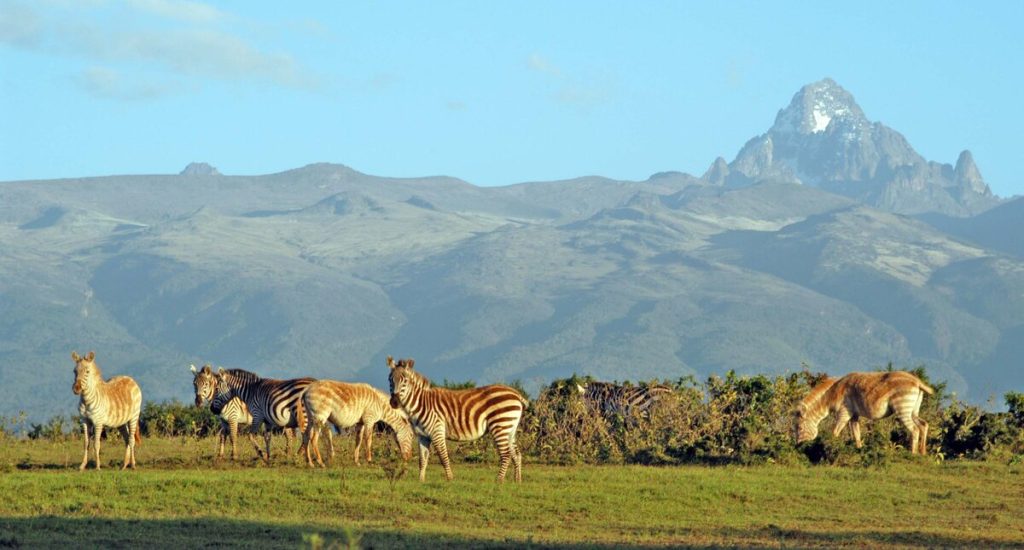
Zebras may graze near the road.
Giraffes can emerge above the woodland.
Impala and other antelope may move through open grass.
Buffalo and elephants are also possible as the safari begins.
Nothing should be rushed.
The first drive is an introduction rather than an attempt to see every famous species immediately.
Lake Ihema boat safari. Depending on your arrival time and accommodation arrangement, the afternoon can include one of Akagera’s signature experiences: a professionally operated boat trip on Lake Ihema.
The official park operates scheduled boat excursions during morning and afternoon periods, including a late-afternoon departure. Akagera National Park
From the water, the park changes completely.
The boat moves through a landscape of lake, papyrus, wetland and wooded shoreline.
Hippos may surface nearby at an appropriate wildlife-viewing distance.
Nile crocodiles may be seen along the banks.
Waterbirds occupy reeds and exposed branches.
Elephants or other mammals may sometimes appear along the shoreline.
A boat safari is particularly valuable because it prevents a short Akagera trip from becoming three days of similar road game drives.
The first afternoon now includes:
road journey → savannah wildlife → wetlands → boat safari.
Hippos on Lake Ihema. Hippos are among the characteristic animals of the lake system.
Possible observations include groups resting in the water, individuals surfacing or animals occupying quieter channels.
Remain within the authorized boat program and allow the crew to determine safe viewing distances.
Crocodiles. Nile crocodiles are also part of the lake environment.
Some may remain almost motionless along shorelines, while others are difficult to detect within the water.
Birdlife. Even travelers who do not normally consider themselves birdwatchers may begin paying attention here.
Kingfishers, fish eagles, herons, egrets and numerous wetland birds can turn the lake into one of the most active environments in the park.
African Parks reports almost 500 bird species across Akagera, making the park one of Rwanda’s major birding destinations. African Parks
As the afternoon light softens, return from the boat excursion and continue toward your selected lodge.
Akagera accommodation ranges from campsites and practical lodge options to premium properties.
For a short safari, positioning is particularly important.
A property in the southern region works well for Lake Ihema.
A northern camp can provide faster access to the wildlife-rich open plains.
Some itineraries may therefore use different accommodation areas to maximize the park’s geographical variety.
Enjoy dinner and your first night in Akagera.
Overnight: Akagera National Park area
Main Experience: Kigali countryside, first wildlife encounters, Lake Ihema, hippos, crocodiles and wetland birdlife
Wake early for the central wildlife day of your safari.
Day 2 provides the greatest opportunity to explore Akagera properly because there is no long road transfer from Kigali.
The objective is not simply to race around searching for five famous animals.
A full-day safari allows time to understand how the park changes from lakes and bushland into wildlife-rich open plains.
Start during the cooler morning hours.
Wildlife may be considerably more active than during the hotter middle of the day.
Possible sightings include lions, elephants, buffalo, rhinos, giraffes, zebras, topi, waterbuck and numerous smaller antelope.
Leopards occur within Akagera but are naturally elusive.
Any leopard encounter should therefore be considered particularly special.
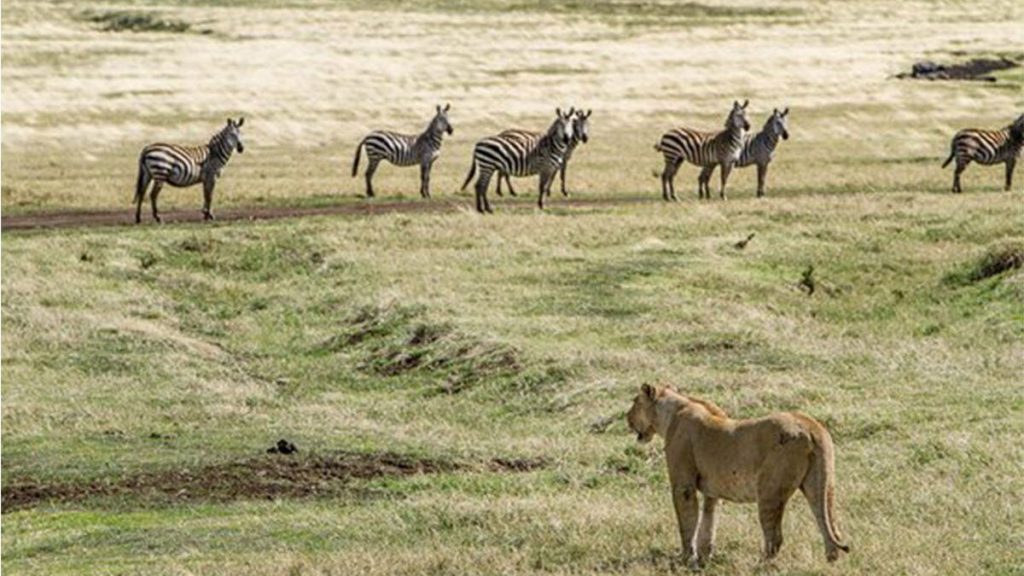
Searching for lions. Lion viewing can become one of the strongest experiences of the safari.
Possible encounters include a pride resting in the grass, adults walking between hunting areas or family interactions when younger lions are present.
Even when lions are resting, patient observation can reveal subtle behavior.
They may groom one another.
Individuals may change position.
Young animals may interact.
A strong safari does not always require movement or dramatic action.
Rhinos in modern Akagera. Rhino viewing has become especially significant since the expansion of the white-rhino population.
The park now contains both eastern black and southern white rhinos, although exact locations remain managed sensitively for conservation.
African Parks reported that Akagera held just over 100 white rhinos by September 2026. African Parks
Do not judge the safari by whether a rhino appears immediately.
These are free-ranging animals within a large protected landscape.
The search itself becomes part of the wildlife experience.
Elephants. Akagera’s elephants have their own restoration history.
African Parks notes that elephants had disappeared from the area before 26 were reintroduced in 1975, laying the foundation for the population seen today. African Parks
Possible modern encounters include family groups, adult bulls and elephants moving between woodland, grassland and water.
The 2025 conservation survey identified 142 elephants in the park, with 106 individually documented in the park’s identification database. African Parks
Buffalo. Buffalo are another important Big Five species.
They may appear in large groups across open grassland or around water.
The northern parts of Akagera can produce particularly strong images of buffalo herds against broad landscapes.
Giraffes. Masai giraffes add a distinctive visual identity to the park.
African Parks records that giraffes were introduced from Kenya in 1986 and that their descendants remain part of Akagera’s wildlife community today. African Parks
Possible encounters include giraffes feeding in woodland, crossing grassland or appearing against the park’s low hills.
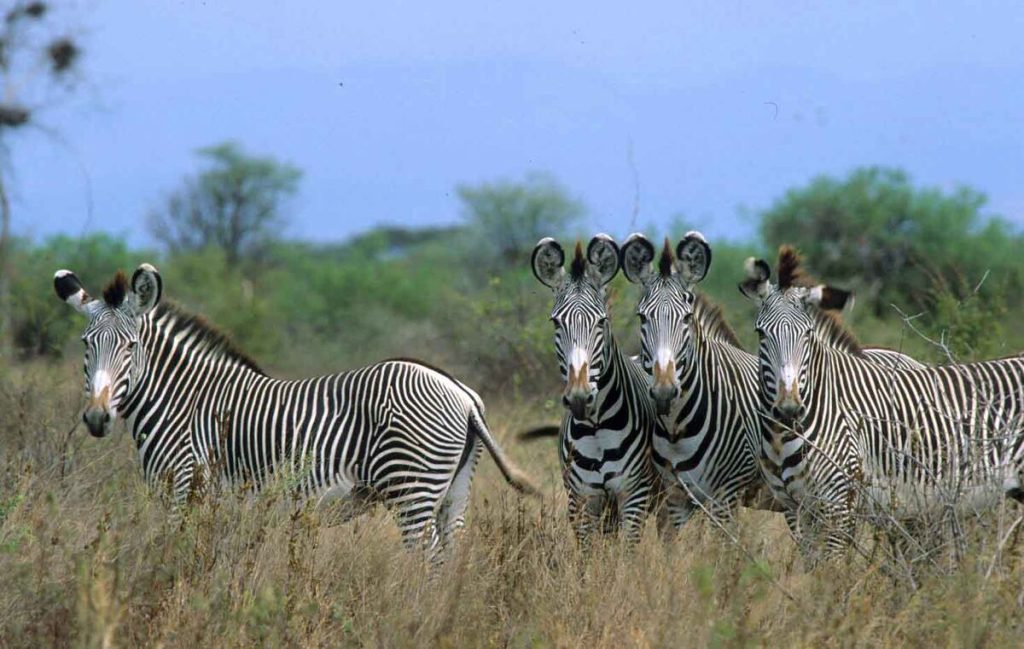
Zebras and plains herbivores. Zebra, topi, impala and other antelope become increasingly important as the environment opens.
These animals are not secondary attractions.
They form the prey base and grazing community that allows Akagera’s predator ecosystem to function.
Watch their behavior.
Antelope suddenly staring in the same direction may indicate something happening in the landscape beyond.
Moving toward northern Akagera. One of the most rewarding parts of the day is the geographical transition.
The wetlands of the south gradually give way to more open grassland.
The northern section becomes especially attractive for classic game viewing.
Karenge Bush Camp, for example, is officially described as overlooking the wildlife-rich northern plains, while Mutumba lies close to areas attracting buffalo and zebra. Akagera National Park
This open environment often creates a more familiar East African savannah feeling.
Yet the surrounding hills and Rwanda’s compact geography make Akagera visually distinctive.
Lunch and safari pacing. Lunch may be arranged according to accommodation and the selected game-drive plan.
The strongest full-day itinerary keeps enough flexibility to respond to wildlife.
If an elephant family is behaving naturally near the road, there is no need to leave immediately just because the schedule says another area should come next.
If lions have just become active, patient observation may be more rewarding than driving long distances looking for something else.
Quality matters more than quantity.
Afternoon wildlife. Continue exploring as temperatures begin to fall.
Elephants may move toward water.
Giraffes return to more active feeding.
Buffalo may emerge from thicker cover.
Predators can become increasingly alert.
Late-afternoon light also improves photography.
Akagera provides particularly strong opportunities for photographing animals within their environment.
Instead of only producing a tight elephant portrait, photograph the animal moving beneath broad Rwanda skies.
Instead of focusing only on the lion, include the grassland and low hills around it.
This helps communicate where the experience occurred.
Return toward your lodge or camp later in the day.
Depending on the selected accommodation, an authorized night drive may be available for overnight visitors. The official park promotes night drives as an opportunity to experience Akagera’s nocturnal wildlife, although they are optional rather than necessary for a strong three-day itinerary. Akagera National Park
Enjoy dinner and your second night in the park.
Overnight: Akagera National Park area
Main Experience: Full-day Big Five safari, lions, rhinos, elephants, buffalo, giraffes, zebra and northern savannah landscapes
Wake early for your final safari morning.
This extra wildlife period is one of the principal reasons to choose three days instead of visiting Akagera as a day trip.
The park is different every morning.
Animals that were impossible to locate yesterday may appear close to the road today.
A lion pride may have moved.
Rhinos may be using a different open area.
Elephants may have crossed into another sector overnight.
Begin with a final game drive according to your lodge location and the route toward the park exit.
If staying in northern Akagera, the morning can provide another opportunity to explore the open plains before gradually traveling south or leaving through the appropriate gate.
Possible wildlife includes:
lion, elephant, buffalo, rhino, giraffe, zebra, antelope, hippo, birds and leopard possibilities.
No individual species should be guaranteed.
Final Big Five search. If one of the Big Five has remained elusive, your guide may prioritize habitats where a sighting is more realistic.
However, the morning should not become a stressful checklist exercise.
Akagera’s strongest memories may come from something completely unexpected.
A herd of giraffes moving across a ridge.
A fish eagle calling above a lake.
A family of elephants crossing open grass.
Zebras standing in misty morning light.
These moments are often what distinguish a genuine safari from a zoo-like expectation of seeing every animal on demand.
Leaving Akagera. Eventually, begin the journey back toward Kigali.
The savannah recedes.
Rural landscapes and agricultural areas become increasingly prominent.
The contrast between the national park and the densely settled countryside illustrates why Akagera is so important.
It protects Rwanda’s last major savannah ecosystem within a country where land pressure is significant.
Continue toward Kigali and transfer to your hotel, airport or another agreed destination.
Your 3 Days Rwanda’s Remarkable Akagera Safari 2026–2027 then comes to an end.
Main Experience: Final morning wildlife, Akagera landscapes and return to Kigali
Akagera now supports all five traditional Big Five species.
The restoration of these populations is one of African conservation’s strongest recent success stories.
Lion returned in 2015 after disappearing for approximately two decades.
Eastern black rhino returned in 2017, with additional animals introduced in 2019.
Southern white rhino arrived in 2021 and again in a major 2025 translocation.
Elephant populations were rebuilt from an earlier reintroduction beginning in 1975.
Buffalo remain an important component of the savannah ecosystem.
Leopards persisted as part of the predator community and remain naturally elusive. African Parks
This is why Akagera’s Big Five status means more than a tourism slogan.
It reflects decades of restoration.
Lion sightings are among the most sought-after experiences.
The cats use open plains, woodland edges and other suitable habitats.
Seeing one can depend heavily on timing and natural movement.
Morning and late-afternoon drives may provide particularly rewarding opportunities, but no period guarantees success.
The most meaningful encounter is often one where visitors have time to observe natural behavior rather than simply photographing the animal and leaving.
Akagera is now home to both black and white rhinos.
Eastern black rhinos were reintroduced from 2017 onward after a decade-long national absence.
Southern white rhinos followed in 2021, with a second major introduction in 2025. African Parks
White rhinos generally have ecological and behavioral differences from black rhinos, but visitors should avoid turning the safari into a race to identify both.
Conservation management remains the priority.
Sensitive information about individual rhino locations should not be sought or shared.
The 2025 translocation of 70 southern white rhinos was one of the largest wildlife-restoration events in the park’s history.
African Parks reports that the animals traveled approximately 3,400 kilometres from South Africa and joined an existing white-rhino population that had grown from the 30 animals introduced in 2021.
By September 2026, the white-rhino population stood at slightly above 100, and calves had been born among the newer group. African Parks
This means a traveler visiting Akagera in 2026–2027 is experiencing an ecosystem in the middle of a significant conservation chapter.
Elephants are another major component of the park.
Family groups may use grassland, woodland and water-edge habitats.
They can appear during both game drives and, occasionally, around lakes visible from boats.
A relaxed elephant encounter may provide opportunities to observe communication, feeding and family structure.
Respectful distance is essential.
Buffalo can be especially impressive in larger groups.
The open northern parts of the park may provide opportunities to see herds against broad grassland.
Their presence also supports Akagera’s predator-prey ecosystem.
Buffalo belong to the Big Five, but they are also important grazers whose movements influence vegetation and habitat use.
Leopards occur in Akagera, but they remain one of the most difficult major predators to find.
They can use woodland, thickets and other areas offering substantial concealment.
A leopard may be present surprisingly close to a road without being visible.
For this reason, a three-day Akagera safari should never promise one.
Any sighting is a bonus.
Akagera contains far more than the five famous large mammals.
African Parks records thriving populations of zebra, giraffe and antelope alongside the Big Five. African Parks
Travelers may also encounter hippos, crocodiles, baboons and numerous smaller mammals.
This broader wildlife community is what makes the ecosystem function.
A safari centered only on five animals misses much of Akagera’s value.
Masai giraffes were introduced to Akagera from Kenya in 1986, and their descendants remain part of the park today. African Parks
They are particularly photogenic against the park’s rolling hills.
Possible scenes include giraffes feeding among acacia-like woodland, crossing open roads or standing against distant wetlands and plains.
Zebras are particularly characteristic of the grassland sections.
They may occur alongside other grazers.
Antelope diversity adds further interest, and the northern plains can produce excellent opportunities to observe mixed herbivore communities.
These animals also provide important prey for Akagera’s large carnivores.
Akagera’s lakes and wetland systems support hippos and crocodiles.
Lake Ihema is one of the best environments for appreciating this aquatic side of the park.
The official park describes its boat safari specifically as an opportunity to experience hippos, crocodiles and birds from the water. Akagera National Park
This is why the boat trip works so well within a three-day itinerary.
It creates a completely different experience without requiring travel to another national park.
Akagera is one of Rwanda’s strongest birding destinations.
African Parks now reports almost 500 documented bird species, while continuing surveys add to the park’s biodiversity knowledge. African Parks
The variety comes from Akagera’s exceptional habitat diversity.
Birds occupy:
savannah, woodland, lakes, papyrus swamp, wetlands and grassland.
The park can therefore satisfy travelers interested in large mammals and specialist birdwatchers within the same itinerary.
The shoebill is one of Africa’s most distinctive wetland birds.
Akagera’s papyrus and wetland environments can provide suitable habitat, and Visit Rwanda includes the shoebill among the park’s notable birdlife. Visit Rwanda
However, sightings should never be guaranteed.
Travelers whose primary goal is birding should communicate that interest during planning so more time can be devoted to wetland habitats and appropriate boat activities.
A three-day Akagera package becomes considerably stronger when it combines vehicle and boat viewing.
A game drive emphasizes:
lions, rhinos, elephants, buffalo, giraffes, zebras and plains wildlife.
The boat changes the focus toward:
hippos, crocodiles, waterbirds, lakeshore mammals and wetland landscapes.
The official park schedules Lake Ihema excursions several times each day and can also arrange private trips. Akagera National Park
For most first-time visitors, one boat experience is enough to create meaningful contrast without taking too much time away from game drives.
Akagera can be visited throughout the year.
The official park describes its climate as generally warm during the day and cooler at night and currently identifies November through April as its preferred overall visiting period. Akagera National Park
However, there is no single perfect season for every traveler.
Different months produce different landscapes and wildlife conditions.
These months are generally associated with one of Rwanda’s drier periods.
Vegetation may become less dense and wildlife may concentrate more strongly around dependable water.
This can appeal particularly to travelers focused on traditional game viewing.
Seasonal rainfall begins changing the park.
The landscape becomes greener.
Birdlife can become especially rewarding.
Cloud formations and fresh vegetation can also create excellent photography.
Conditions can remain attractive for both wildlife and birding, with generally warm days.
Rainfall is typically more significant.
The park becomes exceptionally green.
Road conditions may be more variable, but birdlife, scenery and photography can be outstanding.
Rather than asking only, “Which month has the most animals?” consider what kind of visual safari experience you prefer.
The dry season can create a classic safari atmosphere.
Grass becomes shorter in some areas.
Water becomes increasingly important.
Animals may be easier to locate around lakes and wetland systems.
Morning drives can also feel pleasantly cool.
Dustier landscapes, golden grass and open visibility can create excellent wildlife photography.
The wetter months create a completely different park.
Grass becomes greener.
Wetlands expand.
Clouds become more dramatic.
Bird activity can increase.
The landscape may appear considerably more lush than the traditional image of an African safari.
For photographers who value scenery as much as animal density, this can be an excellent period.
Akagera offers several distinct accommodation styles.
The official park currently lists options including Ruzizi Tented Lodge, Karenge Bush Camp, park campsites, Magashi Camp and Mantis Akagera Game Lodge. Akagera National Park
The right choice depends on:
budget, preferred comfort, location and safari priorities.
For only two nights, location deserves particular attention.
Ruzizi overlooks Lake Ihema and is operated by the park.
The official property information describes it as particularly well positioned for southern Akagera experiences including game drives and Lake Ihema boat excursions. Akagera National Park
It works especially well for travelers who want:
wetland atmosphere + boat safari + comfortable tented accommodation.
Park-operated lodge profits contribute to Akagera’s conservation work.
Karenge lies in the northern region overlooking wildlife-rich plains.
The official park describes it as a scenic, remote camp with convenient access to northern game-viewing areas. Akagera National Park
It can be particularly attractive for travelers prioritizing:
big mammals + open savannah + quieter wilderness atmosphere.
A two-night itinerary can sometimes combine southern and northern accommodation, depending on budget and logistics.
For travelers wanting a simpler experience, the park operates several campsites.
Official options currently include Muyumba, Mutumba, Shakani and Mihindi. Akagera National Park
The locations provide very different experiences.
Some are close to the south.
Mutumba lies in the northern park and provides broader views over wildlife-rich landscapes.
Camping should be booked and used according to park regulations.
Travelers wanting a more conventional lodge environment can choose established accommodation within the wider park.
This can work particularly well for:
The right accommodation is not necessarily the most expensive.
For a short safari, good location and easy access to planned activities can matter more than luxury.
For travelers researching a 2026 safari, Akagera has published an official 2026 tariff.
The current rate for an international visitor is US$100 for one day/night. A two-night stay is listed at US$150 per person, while a three-night stay is US$200. Akagera National Park
Different rates apply to Rwandan citizens, EAC citizens, residents, Pan-African visitors and children.
These are park entry/self-drive permit charges, not the total price of a three-day safari.
Your complete package may also reflect:
transportation, accommodation, guide services, vehicle costs, boat safari, meals and other selected activities.
For 2027, rates should be reconfirmed once the official tariff applying to those dates has been published.
Even when two itineraries have the same title, the final price can differ substantially.
A safari using campsites and a shared vehicle will cost less than one using a premium lodge and private transportation.
Location matters as well.
A package combining southern and northern accommodation may use different logistics from a safari staying in one lodge.
Optional experiences such as:
Lake Ihema boat safari, night drive, private game drive or community experience
also affect the final price.
The best quotation therefore needs actual travel dates, number of travelers and accommodation preferences.
A private safari provides more control over the daily pace.
This can be particularly valuable for:
If a lion sighting becomes particularly interesting, a private vehicle may provide more flexibility to remain longer.
If a traveler is especially interested in rhinos or birds, guiding can place more emphasis on those priorities.
Shared arrangements can provide stronger value for solo travelers and small groups.
Vehicle and guide costs are divided among several guests.
The trade-off is reduced flexibility.
Different travelers may have different priorities.
One person may want birds.
Another may want lions.
Another may prefer photography.
Neither private nor shared travel is universally better.
The choice depends on budget and travel style.
A two-night Akagera safari works particularly well for couples because it combines activity and downtime.
The journey may include:
afternoon boat safari → dinner overlooking wilderness → sunrise game drive → full wildlife day → final morning safari.
A tented lodge overlooking Lake Ihema can create a particularly strong atmosphere.
The experience feels remote even though Kigali remains relatively accessible.
Akagera can be an excellent family safari because it offers several different experiences rather than requiring young travelers to sit through repeated identical game drives.
A family itinerary can combine:
shorter game-viewing periods + lake experience + lodge rest + wildlife education.
Accommodation policies, boat participation and game-drive arrangements for children should be confirmed for the family’s actual ages and selected property.
A private vehicle can provide additional flexibility where needed.
Solo visitors can experience Akagera through private or shared arrangements depending on availability.
Joining suitable departures can reduce the per-person cost.
Solo travelers who are especially interested in photography or birdwatching may still prefer a private guide when budget allows.
Akagera offers an unusually wide visual range.
The same three-day safari may provide:
lion photography on open plains, rhinos against grassland, elephants near water, giraffes against hills, hippos on Lake Ihema and wetland birdlife.
The difference between northern and southern landscapes makes the park especially interesting.
Do not photograph only close portraits.
Use environmental compositions.
A giraffe framed against Rwanda’s hills communicates the destination far more effectively than a head-only photograph.
A hippo surrounded by papyrus tells the story of Akagera’s wetlands.
A rhino on an open plain explains the restoration of Rwanda’s savannah wildlife.
Rhino conservation remains highly sensitive.
Visitors should follow guides and avoid requesting precise information about rhino movements or locations.
Wildlife welfare and conservation security matter more than a photograph.
Maintain appropriate viewing distance and allow the animals to behave naturally.
Akagera’s modern rhino population exists because of major conservation investment, monitoring and protection.
Responsible safari behavior is simple.
Wildlife should not change its natural behavior because tourists want a closer photograph.
Stay within authorized roads and follow park instructions.
Allow elephants, buffalo and predators enough space.
Keep unnecessary noise controlled.
Never feed animals.
Avoid pressuring guides to crowd a sighting.
The strongest safari is one where the animal remains relaxed.
Akagera provides an unusually clear example of how tourism revenue can support conservation.
African Parks reports that 2025 was the first year the park fully covered its operating costs through self-generated revenue, with tourism playing the dominant role. African Parks
The park also contributes 10% of its income to Rwanda’s tourism revenue-sharing program, supporting projects including schools, healthcare facilities, cooperatives and community enterprises. African Parks
Visitors therefore contribute to more than their own safari experience.
Tourism income helps maintain the protected landscape and provides economic benefits beyond the park boundary.
The park works with community freelance guides to provide locally connected cultural experiences.
Official options include visits related to traditional cattle and milk culture, honey cooperatives and other community enterprises, with revenue shared with participating community members. Akagera National Park
These experiences can be valuable when travelers have additional time.
For a focused three-day safari, wildlife should normally remain the central purpose unless community interaction is a particular priority.
Yes.
Three days and two nights provide an excellent introduction.
A practical progression is:
Day 1: Kigali → Akagera → afternoon wildlife → Lake Ihema boat safari.
Day 2: Full-day Big Five safari through different park habitats.
Day 3: Final morning wildlife → Kigali.
This works considerably better than trying to include another distant national park within the same three days.
Rwanda is compact, but Volcanoes and Nyungwe deserve their own time.
Akagera can be visited as a day trip, and the park officially accommodates day visitors.
However, staying overnight changes the experience significantly.
A one-day visitor spends a substantial part of the day driving between Kigali and the park.
A two-night visitor can experience:
sunset → night in the wilderness → sunrise → full day → second evening → another morning.
That difference matters.
It also increases opportunities for naturally elusive species.
Akagera and Serengeti are both savannah destinations, but they offer very different scales and travel styles.
The Serengeti is enormous and internationally famous for the Great Migration.
Akagera is smaller, more compact and combines savannah with extensive lakes and wetlands.
Akagera is particularly valuable within a Rwanda itinerary because it adds Big Five wildlife to a country better known for primates.
It should therefore be appreciated for what makes it different rather than marketed as a smaller Serengeti.
The Maasai Mara is famous for huge open plains, predator density and seasonal migration herds.
Akagera provides:
savannah + rolling hills + extensive wetlands + lakes + conservation restoration.
The visitor density and overall atmosphere can also be very different.
Akagera’s official tourism site continues to describe the park as relatively undiscovered and highlights the possibility of strong wildlife encounters without the same level of crowds found in some better-known reserves. Akagera National Park
This is one of Rwanda’s strongest wildlife combinations.
A longer journey can become:
Kigali → Akagera Big Five Safari → Volcanoes National Park → Mountain Gorillas
Akagera contributes:
lion, leopard, elephant, rhino, buffalo, giraffe and savannah.
Volcanoes contributes:
mountain rainforest and gorillas.
The contrast is enormous.
Visit Rwanda promotes itineraries specifically combining Akagera safari with Rwanda’s gorilla experiences. Visit Rwanda
Another longer Rwanda journey can combine:
Akagera → Kigali → Nyungwe
Akagera provides savannah and large mammals.
Nyungwe provides rainforest, primates and mountain scenery.
Adding Volcanoes National Park can create a complete three-park Rwanda circuit.
Visit Rwanda promotes a national itinerary combining all three protected landscapes. Visit Rwanda
Kigali works naturally before or after the safari.
Travelers can use the city for:
Because Akagera is accessible by road, no internal flight is essential for the standard three-day itinerary.
That simplicity is one of the trip’s strongest advantages.
A longer Rwanda holiday can progress through:
Akagera → Kigali → Volcanoes → Lake Kivu
The environments change dramatically from:
savannah → city → volcanic mountains → lake.
This variety helps Rwanda feel much larger than its physical size suggests.
Several recent developments make Akagera especially relevant.
The most obvious is the 2025 translocation of 70 southern white rhinos, which significantly expanded the park’s rhino population.
By September 2026, African Parks reported just over 100 white rhinos in Akagera. African Parks
In addition, 2025 became the first year Akagera fully covered its operating costs through its own revenue, marking a major milestone in the park’s long-term conservation model. African Parks
The park is therefore not simply maintaining wildlife.
It is continuing to evolve.
Where is Akagera National Park? Akagera lies in eastern Rwanda along the Tanzania border and is accessible by road from Kigali.
How large is Akagera? Current African Parks information records approximately 1,122 square kilometres. African Parks
Is Akagera Rwanda’s only Big Five park? Yes. Akagera supports lion, leopard, elephant, rhino and buffalo and is Rwanda’s principal Big Five safari destination. African Parks
Can I see all Big Five in three days? It is possible to search for all five, but sightings are never guaranteed. Leopard in particular can be difficult to find.
Does Akagera have lions? Yes. Lions were reintroduced beginning in 2015 after an absence of roughly two decades, and the population has since become established. African Parks
Does Akagera have rhinos? Yes. The park supports both eastern black rhinos and southern white rhinos. African Parks
How many white rhinos are in Akagera in 2026? African Parks reported that the white-rhino population stood at just over 100 animals as of September 2026. African Parks
When were white rhinos introduced? Thirty southern white rhinos arrived in 2021, followed by another 70 in June 2025. African Parks
Are black rhinos found in Akagera? Yes. Eastern black rhinos were returned beginning in 2017, with additional animals arriving in 2019. African Parks
Can I see elephants? Yes. Elephants are an important part of the park’s wildlife community, although no individual sighting is guaranteed.
Can I see giraffes? Yes. Masai giraffes live in Akagera. Their modern population descends from animals introduced from Kenya in 1986. African Parks
Can I see leopards? Yes, but leopards are naturally secretive and should be considered one of the more difficult major animals to locate.
Are hippos found in Akagera? Yes. Akagera’s lake and wetland systems provide important hippo habitat.
Are crocodiles found in Akagera? Yes. Nile crocodiles may be encountered around suitable lake environments, particularly during Lake Ihema boat excursions. Akagera National Park
Can I take a boat safari? Yes. The official park operates scheduled boat trips on Lake Ihema as well as private departures. Akagera National Park
How many bird species are found in Akagera? African Parks currently reports almost 500 documented species. African Parks
Can I see a shoebill? The shoebill occurs within the broader Akagera wetland environment, but sightings cannot be guaranteed. Visit Rwanda
How long does it take to drive from Kigali to Akagera? The journey generally requires several hours depending on Kigali traffic, route, park entrance and final accommodation location. Visit Rwanda itineraries describe roughly four to five hours for some Kigali-to-Akagera journeys. Visit Rwanda
Is three days enough for Akagera? Yes. Three days and two nights provide enough time for a boat experience, full safari day and additional morning game viewing.
Can Akagera be visited in one day? Yes, but a two-night stay provides much more wildlife time and allows early-morning and late-afternoon game viewing.
Does Akagera offer night drives? Yes. Official guided night drives are available for eligible overnight visitors. Akagera National Park
What is the best time to visit Akagera? The park is accessible year-round. Its official tourism site currently identifies November through April as an especially good period, while drier months can also provide strong traditional wildlife viewing. Akagera National Park
Is Akagera suitable for families? Yes. Accommodation and safari schedules can be selected according to family needs and the ages of children.
Is Akagera suitable for couples? Yes. A private or small-group two-night safari combines well with Lake Ihema and comfortable tented accommodation.
Can solo travelers visit Akagera? Yes. Solo visitors can choose private arrangements or suitable shared options where available.
Can I camp inside Akagera? Yes. The official park operates several campsites, including Muyumba, Mutumba, Shakani and Mihindi. Akagera National Park
Can I stay beside Lake Ihema? Yes. Ruzizi Tented Lodge overlooks Lake Ihema and is particularly well placed for southern park activities. Akagera National Park
What is Karenge Bush Camp? Karenge is a seasonal-style bush camp in the wildlife-rich northern part of Akagera, positioned above the northern plains. Akagera National Park
What is the 2026 Akagera entry fee for international visitors? The official 2026 rate lists US$100 for one day/night and US$150 for a two-night visit for an international adult visitor. Different categories receive different rates. Akagera National Park
Is the park entry fee the complete safari price? No. A complete safari may also include transport, vehicle costs, accommodation, food, guiding and optional activities.
Can Akagera be combined with gorilla trekking? Yes. Akagera and Volcanoes National Park form one of Rwanda’s strongest safari-and-gorilla combinations. Visit Rwanda
Can Akagera be combined with Nyungwe? Yes. A longer Rwanda circuit can combine Akagera, Nyungwe and Volcanoes national parks. Visit Rwanda
Is wildlife guaranteed? No. Akagera is a natural protected ecosystem, and animals move freely according to habitat, weather and seasonal conditions.
The strength of the itinerary comes from variety without unnecessary distance.
Day 1 becomes:
Kigali → Rwanda countryside → Akagera → first wildlife → Lake Ihema → hippos and crocodiles.
Day 2 becomes:
Sunrise → Big Five search → elephants → giraffes → rhinos → lions → northern savannah → sunset.
Day 3 becomes:
Final morning game drive → last wildlife encounters → Kigali.
This creates a journey that includes:
savannah + lakes + wetlands + Big Five + birdlife + conservation + photography.
The experience changes continuously without requiring travelers to rush between multiple distant parks.
A successful Akagera safari should begin with the exact travel dates, number of travelers and preferred accommodation category.
Travelers should also decide whether the priority is:
Big Five wildlife, photography, birdwatching, Lake Ihema, luxury accommodation or a broader Rwanda itinerary.
For a first visit, the strongest three-day structure generally includes at least one Lake Ihema boat experience and enough game-drive time to explore both southern and northern habitats.
Current 2026 park rates are already published, while 2027 rates should be reconfirmed when the new official tariff becomes available. Akagera National Park
The 3 Days Rwanda’s Remarkable Akagera Safari 2026–2027 reveals a side of Rwanda that many first-time visitors do not expect.
Leave Kigali and travel east.
Rwanda’s densely cultivated hills gradually open.
The landscape becomes wilder.
Then Akagera appears.
Lakes stretch between hills.
Papyrus wetlands follow the valleys.
Zebras graze across open country.
Giraffes rise above woodland.
Elephants move through the bush.
A boat crosses Lake Ihema while hippos surface nearby and crocodiles rest along the shore.
The following morning, travel deeper into the park.
Search for lions.
Look for buffalo across the plains.
Remain patient for the elusive leopard.
And experience a rhino population that has become one of Rwanda’s greatest modern conservation achievements.
Spend a second night surrounded by the Akagera wilderness.
Then wake early for one final game drive before returning toward Kigali.
The complete adventure follows:
Kigali → Akagera National Park → Lake Ihema → Big Five Safari → Northern Plains → Final Morning Game Drive → Kigali
For 2026–2027, the safari can be customized around private or shared transportation, comfortable lodges, tented camps, camping, birdwatching, photography, families, couples and longer Rwanda journeys.
Share the preferred travel dates, number of travelers and accommodation level so the safari can be arranged around current park rates, suitable lodging and enough time for both wildlife viewing and the Lake Ihema experience.
The journey can remain a focused three-day Akagera adventure or become part of a wider Rwanda itinerary combining Kigali, Volcanoes National Park, mountain gorillas, Nyungwe National Park and Lake Kivu.
Travel into Rwanda’s only savannah national park and experience lions, leopards, elephants, buffalo, black and white rhinos, giraffes, lakes, wetlands and almost 500 bird species within one of Africa’s most inspiring wildlife-restoration landscapes.
No results available
ResetNo results available
ResetTanzania is a year-round safari destination with many adventures being offered all over the country. For optimal wildlife sightings, the dry season from June to October is your best bet! Read more on when to visit Tanzania
Both have their perks with Big Five national parks, the incredible Great Migration and that quintessential African experience we all dream of. Check out our article on Serengeti vs Masai Mara to help you decide.
They both have such different safari experiences! Tanzania offers Big Five game reserves on classic dusty desert plains, rather South Africa partners the Big Five animals with luscious winelands. Both are just as good, but it depends on your safari style.
That’s a tough one! Botswana is home to herds of elephants at Chobe and the sparkling Okavango Delta, and Tanzania has the iconic Mount Kilimanjaro and Great Migration. Check out our article on Botswana vs Tanzania safaris to help you decide.
Tanzania is in general a safe, hassle-free country. However, like most places, you do need to take precautions and listen to your tour guide. It also pays to read our articles on ‘Things to know before going to Tanzania’.
A camera and binoculars are a must. You’ll regret it if you don’t take them! As for clothing, definitely pack lightweight, breathable clothing. Remember, Tanzania is an arid country so the days can get quite hot. Read more on what to pack for a safari in Tanzania in our travel magazine
EXPERIENCES
BEST TOURS
copyright©2026 . Enjore Safaris