Your 4 Day Tanzania Camping Safari begins in Arusha after breakfast or from an agreed collection point.
Meet your professional safari driver-guide and begin the journey toward Tarangire National Park, one of the most distinctive wildlife destinations in northern Tanzania.
The drive from Arusha usually takes approximately 2.5–3 hours under normal conditions, making Tarangire an ideal first destination for a short safari.
As you approach the park, the scenery gradually becomes more open. Savannah vegetation begins dominating the landscape, and the enormous baobab trees for which Tarangire is famous start appearing.
After completing the park-entry arrangements, begin your first game drive.
Tarangire is especially rewarding for travelers interested in elephants. Family herds move through the woodland, open grasslands and river environments, sometimes gathering in significant numbers.
You may encounter adult elephants feeding quietly beneath baobabs, younger animals remaining close to their families or herds moving toward water.
The Tarangire River plays an important ecological role, particularly during the dry season when wildlife becomes more concentrated around permanent water.
Beyond elephants, possible wildlife includes buffalo, giraffes, zebras, wildebeest, impala, hartebeest and other antelope.
Predators also occur within the park. Lions may be seen resting or moving through suitable habitats, while leopards are considerably more secretive. Spotted hyenas add another dimension to the predator community.
Tarangire is also among East Africa’s outstanding birdwatching destinations.
TANAPA records more than 550 bird species, including ostriches, kori bustards, bee-eaters, lovebirds and numerous raptors.
Enjoy a picnic lunch according to your safari arrangement and continue exploring during the afternoon.
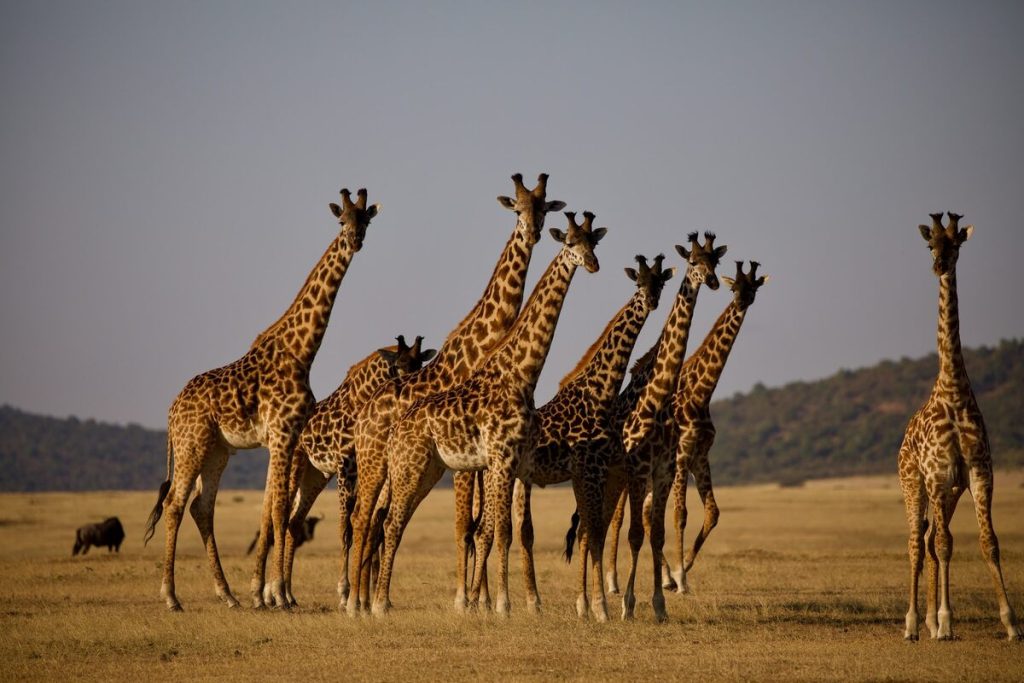
The landscape becomes especially beautiful as sunlight softens. Baobabs catch the warm light, elephants move through the savannah and giraffes create dramatic silhouettes against the horizon.
After completing your game drive, leave Tarangire and continue toward the Mto wa Mbu or Karatu area for your first camping night.
Your safari team will arrange the overnight stay at the selected campsite, where dinner will be prepared as part of the camping package.
The first evening provides a relaxed introduction to camping in northern Tanzania before the longer journey toward Serengeti.
Overnight: Designated campsite in Mto wa Mbu or Karatu.
Main experience: Tarangire elephants, ancient baobabs, the Tarangire River, lions and other predator possibilities, giraffes, buffalo and birdlife.
Wake for breakfast at the campsite before beginning the journey toward Serengeti National Park.
Day 2 is one of the longer travel days, but it also provides some of northern Tanzania’s most memorable scenery.
The route continues through the highlands around Karatu and the Ngorongoro Conservation Area.
The landscape gradually changes from cultivated countryside into higher, greener terrain.
As the journey continues west, the rolling highlands begin opening into the famous Serengeti ecosystem.
The transition is remarkable.
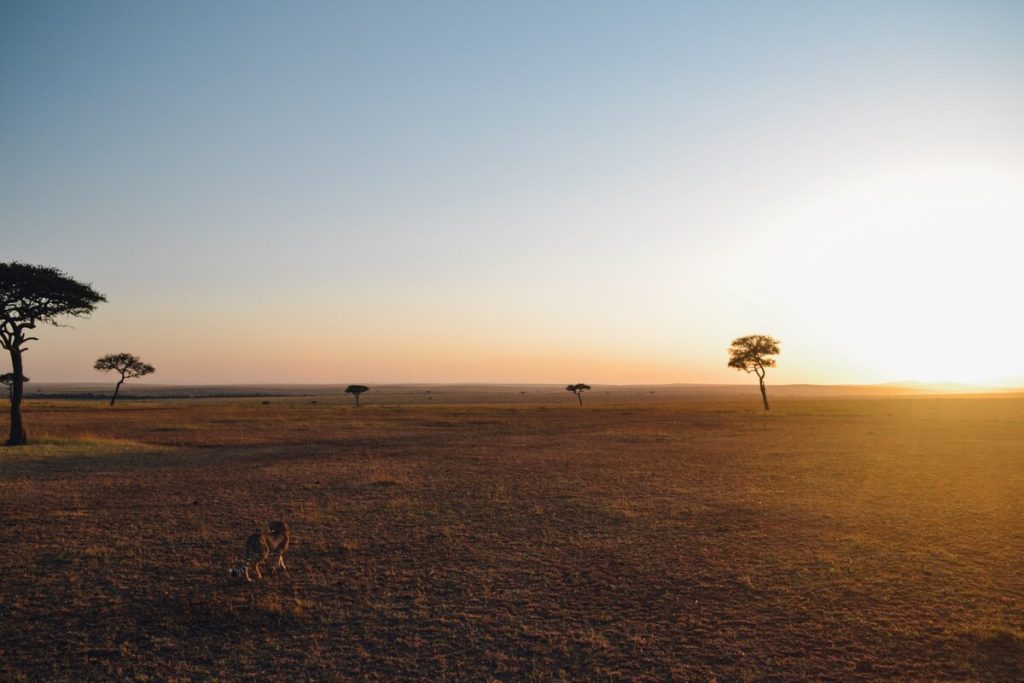
Forest and highland scenery give way to immense grasslands stretching toward the horizon.
The name Serengeti is associated with the idea of endless plains, and the landscape immediately explains why the destination has become one of the world’s most celebrated wildlife parks.
Serengeti National Park supports the traditional Big Five—lion, leopard, elephant, buffalo and rhino—alongside cheetahs, hyenas, giraffes, zebras, wildebeest and many antelope species.
As you enter the park, the journey becomes a wildlife-viewing experience.
Zebras may appear across the grasslands.
Giraffes browse among trees.
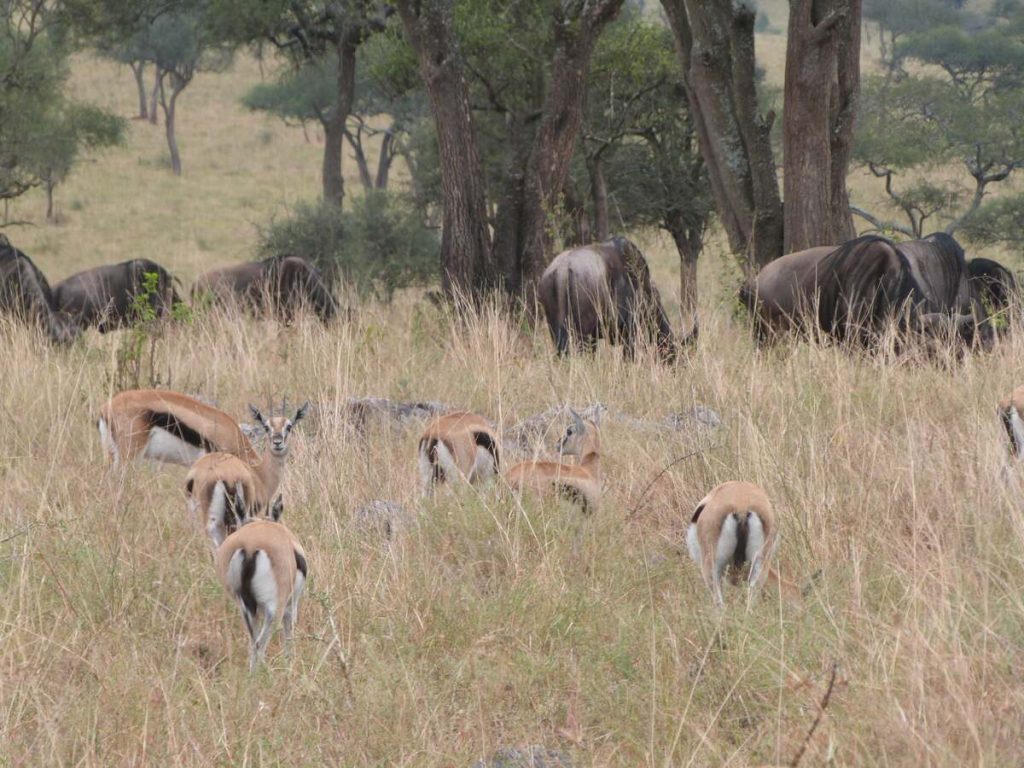
Gazelles occupy open areas.
Elephants and buffalo may be encountered in suitable habitats.
Depending on wildlife movement, you may also have opportunities to search for lions, cheetahs or leopards.
Central Serengeti is particularly valuable for short safaris because its mixture of grassland, woodland, riverine habitats and kopjes supports substantial resident wildlife throughout the year.
The granite kopjes are among the park’s most distinctive natural features.
These rocky formations rise above the surrounding plains and create shelter and observation points for different animals.
Lions are sometimes associated with kopjes, while nearby grassland provides habitat for herbivores and other predators.
Continue with game viewing as time and park-entry arrangements allow.
This is a travel-and-safari day rather than a full-day Serengeti game drive, so the amount of afternoon wildlife viewing depends on departure time and road conditions.
Later, travel toward your designated campsite in the Central Serengeti or Seronera area.
Tanzania National Parks confirms that public campsites are among the accommodation options available inside Serengeti National Park.
Enjoy dinner at the campsite and spend the night surrounded by one of Africa’s most extraordinary wildlife landscapes.
Overnight: Designated public campsite in Central Serengeti, Seronera area.
Main experience: Ngorongoro Highlands, Serengeti plains, giraffes, zebras, wildebeest, lions and other predator possibilities, plus wilderness camping.
Wake early inside Serengeti National Park for another opportunity to experience its wildlife.
The morning provides one of the most valuable game-viewing periods of the four-day safari.
Wildlife moves naturally between feeding, resting and water areas, meaning that the same landscape can offer completely different sightings from one day to the next.
Begin exploring productive areas of Central Serengeti with your professional driver-guide.
The park’s resident wildlife provides opportunities to search for lions, elephants, buffalo, giraffes, zebras, gazelles and other species.
Big cats are among Serengeti’s principal attractions.
TANAPA specifically highlights the park’s carnivore community, including lions, leopards, cheetahs and spotted hyenas.
Lions may be encountered resting near kopjes, moving through open grassland or using vegetation for shade.
Leopards often remain difficult to locate because of their secretive behavior and preference for suitable woodland or riverine cover.
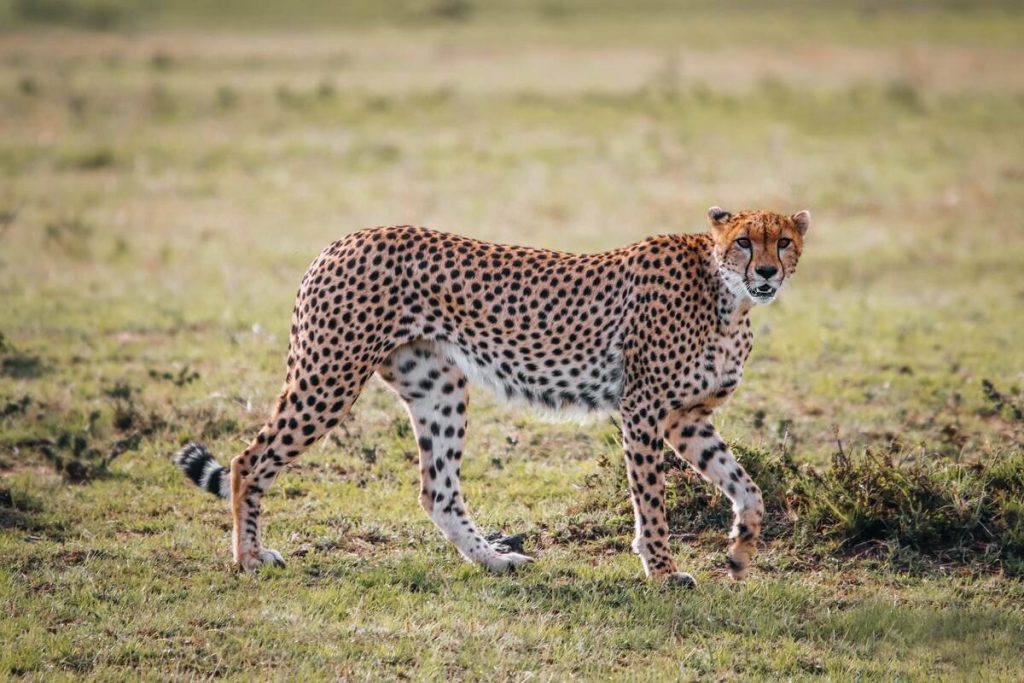
Cheetahs may be encountered across open plains, where the landscape offers good visibility.
The game drive should remain flexible.
If an elephant herd is displaying interesting behavior, spend time observing it.
If lions are resting, there may be opportunities to appreciate the surrounding ecosystem rather than immediately searching for another animal.
A successful safari is not measured solely by the number of famous species seen.
During certain seasons, wildebeest and zebra may appear in significant numbers as part of the Great Migration.
However, the main migration herds move around the wider Serengeti–Mara ecosystem in response to rainfall and grazing. Their presence in Central Serengeti during a particular three-day period cannot be guaranteed.
After the morning wildlife experience and lunch arrangements, begin the journey toward the Ngorongoro Conservation Area.
The landscape gradually changes from the expansive Serengeti plains into volcanic highland country.
This transition creates a striking contrast.
Serengeti feels broad and almost endless.
Ngorongoro becomes greener, cooler and increasingly mountainous.
The destination for the third evening is the Ngorongoro Crater Rim, where the safari team will use an authorized camping area.
The Ngorongoro Conservation Area Authority identifies Simba A Public Campsite among its accommodation options.
The crater-rim setting creates a different atmosphere from Serengeti, with cooler highland conditions and impressive surrounding scenery.
After arrival, enjoy dinner and settle into your third camping night.
Overnight: Simba A Public Campsite or another approved Ngorongoro camping area, subject to availability.
Main experience: Serengeti morning game drive, lions and other big-cat possibilities, elephants, wildebeest, scenic transfer and Ngorongoro highland camping.
Wake early at the Ngorongoro campsite and enjoy breakfast before beginning the final major wildlife experience.
Today, the safari visits Ngorongoro Crater, one of Africa’s most remarkable natural attractions.
The crater is the result of the collapse of an enormous ancient volcano.
Its floor covers approximately 260 square kilometres and lies about 610 metres below the surrounding rim. The official Ngorongoro Lengai Geopark describes it as the world’s largest intact and unfilled volcanic caldera.
The crater combines grassland, swamps, freshwater springs, woodland and an alkaline lake.
These varied habitats support an exceptional resident wildlife community.
Begin the authorized crater game drive and explore the landscape in search of large mammals and predators.
Possible sightings include wildebeest, zebras, buffalo, gazelles, eland, warthogs, hippos and spotted hyenas.
Lions are among the most sought-after animals.
The relatively open grassland can provide good opportunities to observe them when they are visible.
Buffalo may occur in groups across suitable grassland and wetland environments.
Elephants can also be encountered, particularly around woodland and swamp habitats.
One of Ngorongoro’s greatest conservation attractions is the endangered black rhino.
Black rhinos occur within the crater ecosystem, but sightings cannot be guaranteed. Animals may be far away or hidden by the terrain.
A rhino encounter should therefore be regarded as an exceptional wildlife opportunity.
The official Geopark identifies elephants, buffalo, rhinos, lions and leopards among Ngorongoro’s Big Five wildlife. However, individual leopard sightings are generally more difficult during a typical crater visit.
The crater’s freshwater habitats provide another important wildlife environment.
Hippos may be observed in suitable pools, while wetlands support numerous bird species.
Lake Magadi, the shallow alkaline lake on the crater floor, can attract flamingos when water and feeding conditions are favorable.
Enjoy lunch according to the arranged safari program and continue exploring before leaving the crater.
The enormous volcanic walls create a spectacular backdrop for wildlife photography.
A herd of zebras or wildebeest grazing beneath those walls can become one of the most memorable images of the journey.
Later, leave the crater and continue toward Karatu and Arusha.
The journey gradually returns to the northern Tanzania countryside, completing four days of remarkable landscape changes.
Arrive at your hotel or agreed drop-off point in Arusha.
Your 4 Day Tanzania Camping Safari to Tarangire, Serengeti and Ngorongoro 2026-2027 then comes to an end.
Main experience: Ngorongoro Crater, lions, elephants, buffalo, endangered black-rhino possibility, hippos, spotted hyenas, flamingo possibilities and return to Arusha.
Camping is an important part of this package, providing a more affordable accommodation style than permanent safari lodges while allowing travelers to experience Tanzania’s wilderness atmosphere.
The proposed itinerary uses three different overnight locations.
Night 1 – Mto wa Mbu or Karatu: A designated campsite outside the main national park area, conveniently positioned for the following day’s journey toward Serengeti.
Night 2 – Central Serengeti: An approved campsite around Seronera, providing access to Serengeti’s resident wildlife habitats.
Night 3 – Ngorongoro Crater Rim: Simba A Public Campsite or another officially approved camping location, subject to availability.
TANAPA confirms that public and special campsites are recognized accommodation categories in Tanzania’s national parks.
A typical organized camping safari may provide sleeping tents, bedding or mattresses, meals prepared by a safari cook, camping arrangements and shared bathroom facilities.
The exact facilities differ between campsites and operators, so travelers should confirm what is provided before booking.
Camping in the Serengeti and Ngorongoro area is not the same as staying in a permanent luxury tented lodge.
The experience is simpler and more outdoors-oriented.
It also provides a memorable connection to the surrounding environment.
At Ngorongoro, nighttime temperatures can be considerably cooler than on the lower savannah, making appropriate personal clothing and comfortable sleeping arrangements important.
All overnight stays should take place at authorized campsites under the arrangements and safety guidance of the safari operator and protected-area authorities.
One of the strongest reasons to choose this itinerary is the opportunity to experience different wildlife communities during one short safari.
Tarangire is particularly well known for elephants.
Large family groups, adult bulls and young elephants can create extraordinary encounters. The surrounding baobab landscapes make wildlife photography especially distinctive.
Serengeti introduces one of Africa’s great predator ecosystems.
Lions, leopards, cheetahs and spotted hyenas occur alongside buffalo, elephants, giraffes, zebras, wildebeest and numerous antelope species.
Ngorongoro adds an important opportunity to search for the endangered black rhino.
The traditional Big Five are present across the destinations included in this journey, but seeing all five during four days is not guaranteed.
The same applies to cheetahs, leopards and specific predator behavior.
A realistic safari emphasizes opportunities rather than promises.
The experience remains exceptional because each park provides something different.
Tarangire: Elephants, buffalo, giraffes, zebras, wildebeest, lions and birdlife.
Serengeti: Lions, leopards, cheetahs, elephants, buffalo, giraffes, hyenas and migratory or resident plains wildlife.
Ngorongoro: Lions, buffalo, elephants, hippos, hyenas, wildebeest, zebras and black-rhino possibilities.
The safari therefore provides outstanding wildlife diversity without depending on any single species.
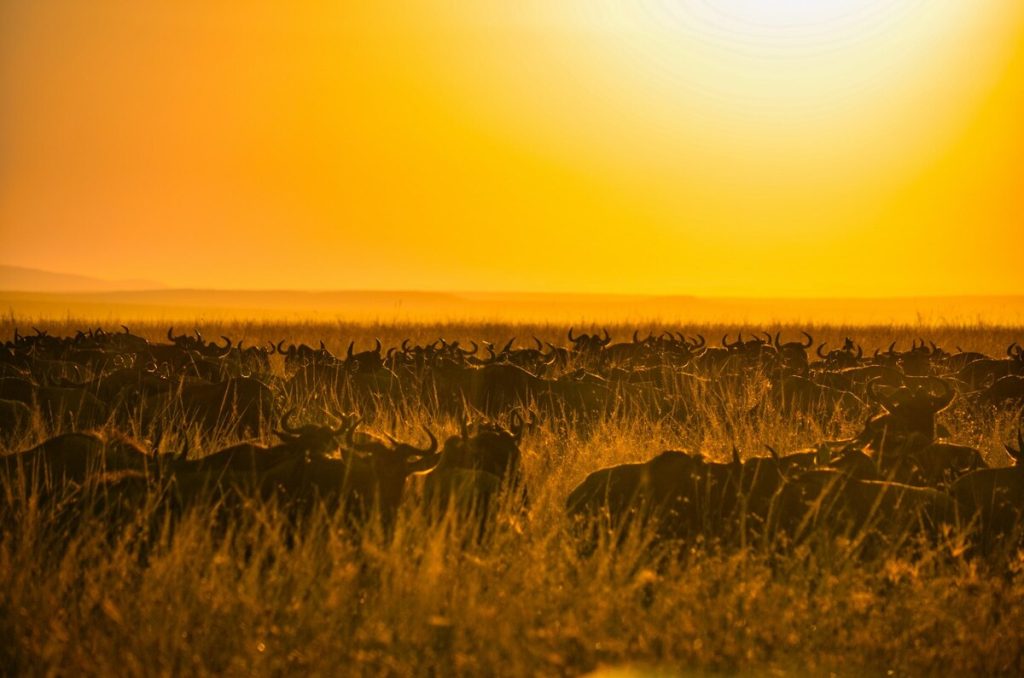
The Great Wildebeest Migration is one of Serengeti’s most famous attractions.
TANAPA describes a vast annual movement involving more than 1.5 million wildebeest, along with large numbers of zebras and other grazing animals.
However, the migration is not permanently located in Central Serengeti.
The major herds change their position throughout the year according to rainfall, grass growth and water availability.
During the early part of the year, the southern Serengeti and Ndutu ecosystem often become important for calving.
As conditions change, herds move through central and western areas before substantial concentrations may reach northern Serengeti during portions of the dry season.
Later, seasonal rain encourages movement southward again.
For travelers choosing this four-day camping itinerary, migration sightings are possible when the route and natural herd movements coincide.
However, a standard Central Serengeti campsite does not automatically mean the main migration herds will be nearby.
The journey should therefore be marketed primarily as a Tarangire, Serengeti and Ngorongoro wildlife safari, with migration viewing as a seasonal possibility.
Travelers whose main objective is to follow the Great Migration should consider a longer itinerary designed around the appropriate region and season.
This safari can operate throughout the year, although different seasons create different wildlife and camping conditions.
The generally drier months from June through October are especially attractive for wildlife viewing in Tarangire.
As temporary water sources become less available, elephants, buffalo and other animals increasingly depend on the Tarangire River and Silale Swamp.
TANAPA highlights these dry-season concentrations as a defining feature of Tarangire.
Serengeti remains a rewarding destination throughout the year because of its resident wildlife populations.
The main migration herds are seasonal, but lions, elephants, giraffes, buffalo and other resident animals can still provide excellent game viewing when the migration is elsewhere.
January and February can be attractive for the broader southern Serengeti ecosystem and its calving season.
The wetter periods transform the landscape.
Grasslands become greener, clouds create dramatic scenery and birdlife can be particularly rewarding.
Camping conditions may also change, with rain affecting some roads and the comfort of outdoor accommodation.
Ngorongoro supports substantial resident wildlife throughout the year, making the crater a valuable destination regardless of whether the wider Serengeti migration is nearby.
For a balanced four-day safari, June to October is an excellent general planning period, but other months can provide beautiful green landscapes and rewarding wildlife experiences.
A four-day camping safari is usually more affordable than an equivalent luxury lodge itinerary, but the final price depends on several factors.
The most important are the number of travelers, private or group-joining arrangements, campsite charges, park-entry fees, Ngorongoro conservation and crater vehicle charges, meals, safari vehicle, professional guide and camping support.
For 2026–2027, the total should be calculated using the official fees valid for the exact travel dates.
This is important because protected-area charges vary according to visitor category and the services included.
TANAPA confirms that Serengeti entry fees are separate from applicable vehicle and camping charges, while Tarangire’s official visitor guidance likewise advises checking current park tariffs.
A group-joining camping safari generally reduces the per-person cost because the safari vehicle, guide and some operating expenses are shared.
A private camping safari provides more flexibility but can cost more per person when only one or two travelers participate.
For budget-conscious travelers, camping is an attractive way to visit three major northern Tanzania destinations without eliminating the Serengeti or Ngorongoro from the itinerary.
The final quote should clearly specify the accommodation locations, camping arrangements, meals, park fees, transport and any additional charges.
Both options can provide a memorable four-day experience.
A private camping safari gives one booking party its own safari vehicle and professional driver-guide.
This creates greater flexibility around game drives, photography and the pace of each day.
If elephants are displaying interesting behavior in Tarangire, the group can spend more time watching them.
If lions are visible in Serengeti, the guide can adapt the schedule where practical.
A group-joining safari shares the vehicle with other travelers.
It can offer better per-person value, particularly for solo travelers and couples.
However, the schedule is normally more structured because several people share the same wildlife-viewing experience.
For this particular four-day route, the group itinerary must also be carefully organized because the travel distances between Serengeti and Ngorongoro are substantial.
Neither format guarantees more wildlife sightings.
The important differences are price, privacy, flexibility and group size.
This safari provides a remarkable variety of photographic environments.
Tarangire is especially rewarding for elephants beneath baobabs, giraffes in savannah woodland and wildlife around river habitats.
Serengeti offers lions around kopjes, cheetah possibilities on open plains, giraffes against broad skies and herds of grazing animals.
Ngorongoro provides enormous volcanic walls surrounding grasslands, woodland and wetland wildlife.
These contrasting settings allow travelers to return with images that tell the story of three different landscapes.
Responsible wildlife viewing remains essential.
Tanzania National Parks instructs visitors to stay on designated roads, respect park rules, avoid feeding wildlife and follow ranger or guide instructions.
Photographs should be taken without disturbing animals.
Elephants and predators should not be pressured simply to obtain a closer view.
At camping locations, travelers must follow the operator’s and park authority’s rules concerning designated areas and wildlife safety.
The objective is to enjoy the wilderness while allowing the animals to continue their natural behavior.
Yes, but it is important to understand the pace.
A four-day itinerary provides a good introduction to all three destinations.
However, the journey includes a long transfer into Serengeti and another substantial transfer toward Ngorongoro.
The safari normally provides one principal Tarangire game drive, an afternoon or transfer-based Serengeti experience, a valuable Serengeti morning drive and a Ngorongoro Crater safari.
This is a rewarding combination for travelers who have only four days and want to visit three iconic northern Tanzania destinations.
It is not equivalent to spending several full days in each park.
Travelers with five or six days can enjoy a more relaxed schedule, particularly by adding another night in Serengeti.
That extra time can improve wildlife-viewing flexibility, reduce the sense of rushing and provide better opportunities for photography.
For travelers prioritizing affordability and three destinations within a short holiday, the four-day camping route remains a strong option.
Is four days enough to visit Tarangire, Serengeti and Ngorongoro?
Yes. Four days provides an intensive but realistic introduction to all three destinations. However, the itinerary includes substantial driving, and five or six days would provide a slower pace.
Where does the four-day camping safari begin?
Arusha is the standard starting and finishing point. Pickup or drop-off arrangements can be customized according to the traveler’s broader itinerary.
Where do travelers sleep during the camping safari?
The proposed itinerary uses one night around Mto wa Mbu or Karatu, one night in Central Serengeti and one night in the Ngorongoro Crater Rim area.
Can I see the Big Five during this safari?
The destinations collectively support the traditional Big Five, but sightings cannot be guaranteed. Leopard and black rhino are particularly difficult to find on some visits.
Can I see lions in Serengeti?
Yes. Serengeti is internationally known for lions and other large predators, including leopards, cheetahs and spotted hyenas.
Is Tarangire famous for elephants?
Yes. Tarangire is one of Tanzania’s signature elephant destinations and is also famous for its ancient baobabs, river habitats and exceptional birdlife.
Can I see the Great Migration during this safari?
Possibly. The migration moves through different parts of the wider Serengeti ecosystem during the year, so sightings depend on the travel dates and natural herd movements.
Are the campsites located inside national parks?
The proposed Central Serengeti campsite is inside Serengeti National Park. The Ngorongoro campsite is within the conservation area. The first campsite is normally arranged around Mto wa Mbu or Karatu, outside Tarangire National Park.
Is a camping safari suitable for first-time visitors?
Yes. An organized camping safari can be an excellent first introduction to Tanzania when transportation, meals, campsites and guiding are arranged by a professional operator. Travelers should expect simpler facilities than those offered by permanent lodges.
What is the best time for this camping safari?
June through October offers generally favorable dry-season wildlife conditions, particularly in Tarangire. The safari can also be rewarding during other months, depending on rainfall and wildlife movements.
Can the camping safari be private?
Yes. The itinerary can be arranged as a private safari or as a group-joining camping package, depending on availability and the traveler’s preferences.
Can I upgrade the accommodation?
Yes. The same route can be adapted to mid-range tented camps or luxury lodges if the traveler prefers more comfort, although the total price will change.
The strength of this itinerary comes from combining three of Tanzania’s most distinctive wildlife landscapes with the experience of camping during the journey.
Day 1 becomes:
Arusha → Tarangire → elephants → baobabs → river wildlife → first camping night.
Day 2 becomes:
Ngorongoro Highlands → Serengeti → lions and plains wildlife → Central Serengeti camping.
Day 3 becomes:
Serengeti morning wildlife → predators → elephants → wildebeest and zebras → Ngorongoro Crater Rim camping.
Day 4 becomes:
Ngorongoro Crater → lions → buffalo → elephants → black-rhino possibility → Arusha.
Within four days, travelers experience elephant-rich savannah, enormous grassland ecosystems, granite kopjes, volcanic highlands and one of Africa’s greatest wildlife-filled calderas.
Camping makes the journey more accessible to budget-conscious travelers while maintaining the essential safari experience.
The 4 Day Tanzania Camping Safari to Tarangire, Serengeti and Ngorongoro 2026-2027 begins in Arusha and enters the extraordinary elephant landscapes of Tarangire.
Ancient baobabs rise above the savannah.
Elephant families move through woodland and toward the river.
Buffalo, giraffes, zebras and wildebeest occupy the wider ecosystem, while lions and other predators remain part of the same natural landscape.
After the first camping night, travel through the Ngorongoro Highlands toward the endless Serengeti plains.
Search for lions, leopards, cheetahs, elephants and other African wildlife before spending a night inside Serengeti National Park.
Wake for another morning game drive and continue toward the volcanic highlands.
The third night is spent at an approved Ngorongoro campsite, preparing for the final day’s crater safari.
Then explore Ngorongoro Crater, where thousands of animals occupy grasslands, woodland and wetlands beneath enormous volcanic walls.
Search for lions, buffalo, elephants, hippos, spotted hyenas and the endangered black rhino before returning toward Arusha.
The complete four-day route follows:
Arusha → Tarangire National Park → Mto wa Mbu/Karatu → Serengeti National Park → Central Serengeti → Ngorongoro Crater Rim → Ngorongoro Crater → Arusha
Plan your 2026–2027 safari with Enjore Safaris according to your preferred travel dates, group size and camping arrangement.
The final quotation can be prepared for a private safari or available group-joining departure, using current national park fees, campsite charges and transportation costs.
The four-day journey can remain a focused camping safari or be extended with an additional night in Serengeti, more time in Ngorongoro or another destination such as Lake Manyara.
Travelers wanting a slower safari can consider a five- or six-day itinerary, while visitors preferring permanent accommodation can request a lodge or tented-camp version.
Experience Tarangire’s elephants and ancient baobabs, Serengeti’s endless plains and famous predators, and Ngorongoro Crater’s extraordinary concentration of wildlife on a four-day Tanzania camping safari that combines unforgettable game drives, spectacular scenery and nights in designated camping areas.
This is a classic northern Tanzania wildlife adventure for travelers who want to experience the remarkable diversity of East African nature within four memorable days.