Climbing Mount Kilimanjaro, Africa’s highest peak at 5,895 meters (19,341 feet), is a life-changing adventure. One of the most frequently asked questions is: “When is the best time of year to climb Kilimanjaro?” Choosing the right season can maximize your summit success, avoid extreme weather, and enhance your trekking experience.
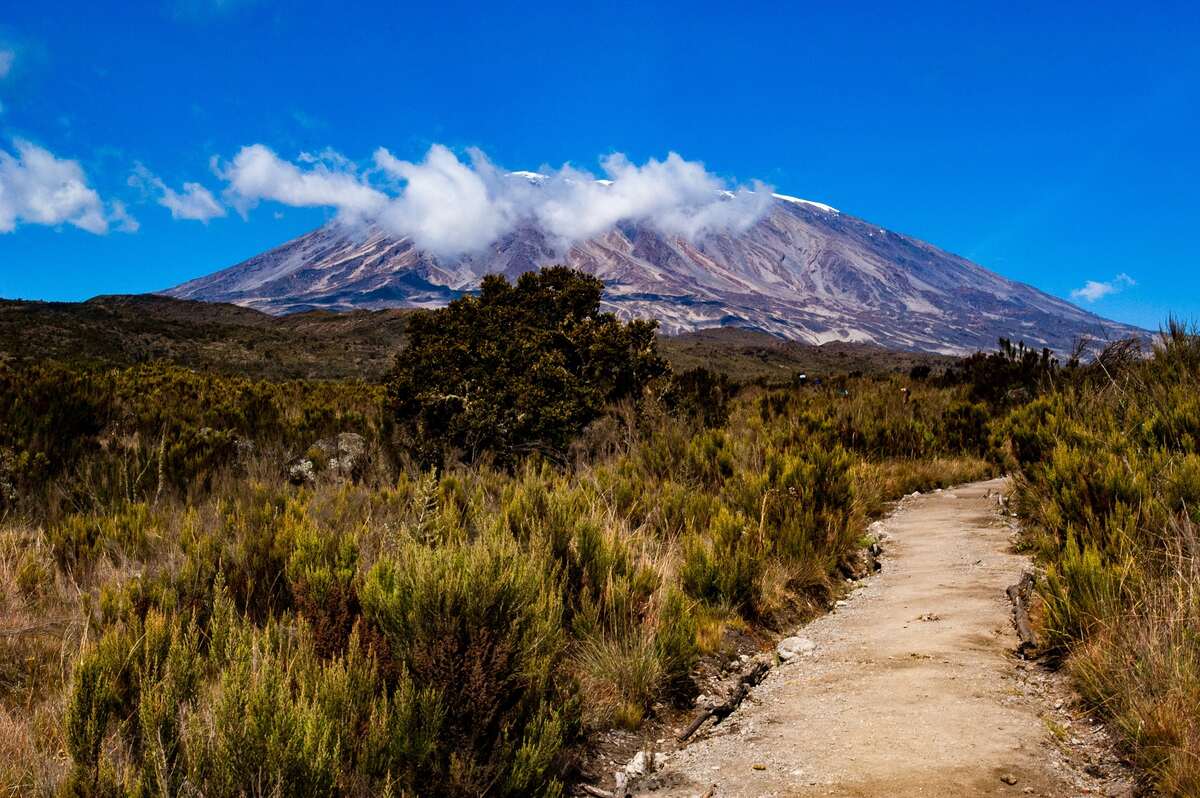
Kilimanjaro’s climate varies dramatically by elevation and season:
Base (900–1,800 m): Warm tropical climate, forests, occasional rain
Mid-altitude (1,800–4,000 m): Moorland and alpine desert, cooler nights
High altitude (4,000–5,895 m): Arctic conditions near summit, freezing temperatures, high winds
There are two main seasons in Tanzania:
Dry Season: Ideal for trekking, minimal rainfall
Wet Season: Increased rainfall, muddy trails, slippery conditions
Key Insight: Kilimanjaro can be climbed year-round, but success rates and comfort are higher in the dry seasons.
January–March: Warm, fewer tourists, good summit conditions
June–October: Cooler, stable weather, peak climbing season
Pros:
Minimal rain and mud
Clear skies for panoramic views
Higher summit success rates
Cons:
Higher tourist numbers (June–October)
Cooler nights, especially July–August
March–May: Long rains, muddy trails, slippery rocks
November: Short rains, less predictable conditions
Pros:
Fewer trekkers, quieter trails
Lush, green scenery and blooming flowers
Cons:
Increased risk of slippery trails
Cold, wet conditions near the summit
Slightly lower summit success
Tip: For first-time climbers, stick to dry months for optimal safety and comfort.
| Month | Conditions | Recommended? | Notes |
|---|---|---|---|
| January | Dry, warm | ✅ Excellent | Popular, clear skies, moderate crowds |
| February | Dry, warm | ✅ Excellent | Ideal conditions, quieter than January |
| March | Long rains begin | ⚠️ Not ideal | Trails muddy, summit may be slippery |
| April | Peak long rains | ❌ Avoid | Difficult conditions, low success rates |
| May | Late long rains | ⚠️ Caution | Trail conditions improving, still wet |
| June | Start dry season | ✅ Excellent | Cool nights, clear summit views |
| July | Dry, cool | ✅ Excellent | Peak season, high tourist numbers |
| August | Dry, cold nights | ✅ Excellent | Clear skies, high summit success |
| September | Dry, stable | ✅ Excellent | Best month for summit success and weather |
| October | End of dry season | ✅ Excellent | Warm days, minimal rain |
| November | Short rains | ⚠️ Caution | Quieter trails, occasional rain |
| December | Start dry season | ✅ Excellent | Festive season, moderate crowds |
Pro Tip: September and October are often considered the best overall months, balancing dry weather, fewer tourists, and high summit success rates.
Dry Season: Machame, Lemosho, Northern Circuit – excellent views, clear skies
Wet Season: Rongai (drier northern approach) is preferable; avoid Umbwe and Marangu due to mud and slippery conditions
Peak Tourist Season: June–October; book early for popular routes
Trail Conditions: Wet seasons create slippery paths, increasing injury risk
Summit Visibility: Dry season offers clearer skies for photography and views
Crowds: Dry months attract more trekkers; wet months are quieter
Temperature: High-altitude temperatures can drop below freezing year-round; dry months are slightly warmer during daytime
Insight: Dry months not only increase comfort but also improve your summit success.
For First-Time Climbers: January–March or June–October for maximum safety and acclimatization
For Budget Travelers: Shoulder months (January, February, November) may offer slightly lower rates
For Photographers: Dry season with clear skies for panoramic views
For Solitude Seekers: Wet season (March–May, November) for quieter trails and fewer crowds
Q1. Can I climb Kilimanjaro during the rainy season?
A: Yes, but trails are muddy, conditions are challenging, and summit success may be lower.
Q2. What is the best month for clear summit views?
A: July–October generally have the clearest skies.
Q3. Are temperatures lower in certain months?
A: Yes, June–August nights can be extremely cold, especially above 4,000 m.
Q4. Does season affect wildlife or scenery?
A: Wet season brings lush greenery and blooming flowers; dry season has dustier landscapes but better trekking conditions.
Q5. Is crowding a problem?
A: Peak season (July–October) is busiest. Booking in advance is essential.
The best time of year to climb Kilimanjaro depends on your priorities:
Dry season (January–March, June–October): Highest summit success, clear views, safer trails
Wet season (March–May, November): Fewer crowds, lush scenery, slightly lower success rates
Pro Tip: First-time climbers should prioritize dry months and choose a longer route like Lemosho or Northern Circuit to maximize summit success and enjoyment.